



On The Wire — Since 1989

On The Wire

Writings, case studies, pioneer profiles, and technical guides from four decades on the wire.

Case Studies

Packet-level detail. Operational results. Real engagements where truth was disputed.

Root Cause Analysis Eliminates Recurring Help Desk Tickets
Case Study

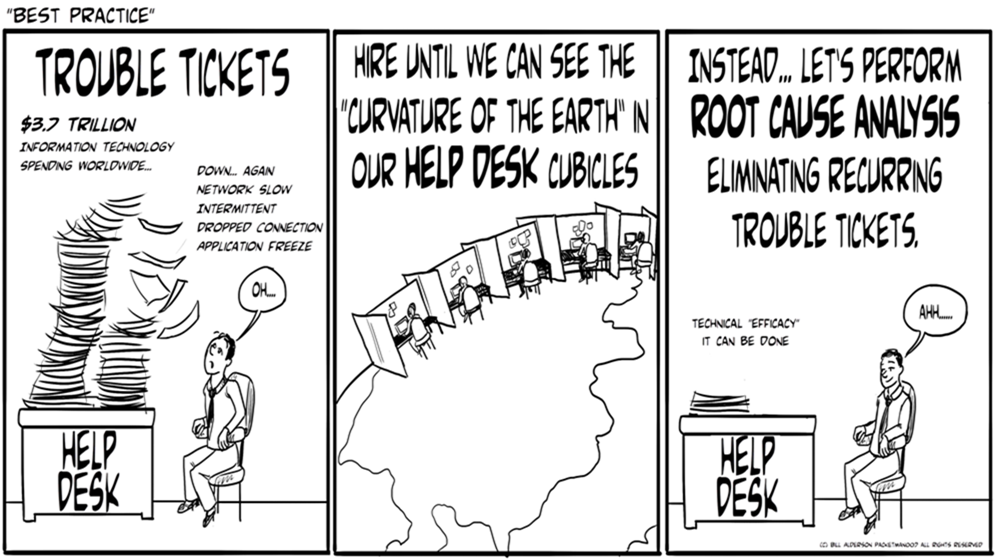
Root Cause Analysis Eliminates Recurring Help Desk Tickets

Recurring help desk tickets traced to root cause through on-the-wire analysis.

Read Article
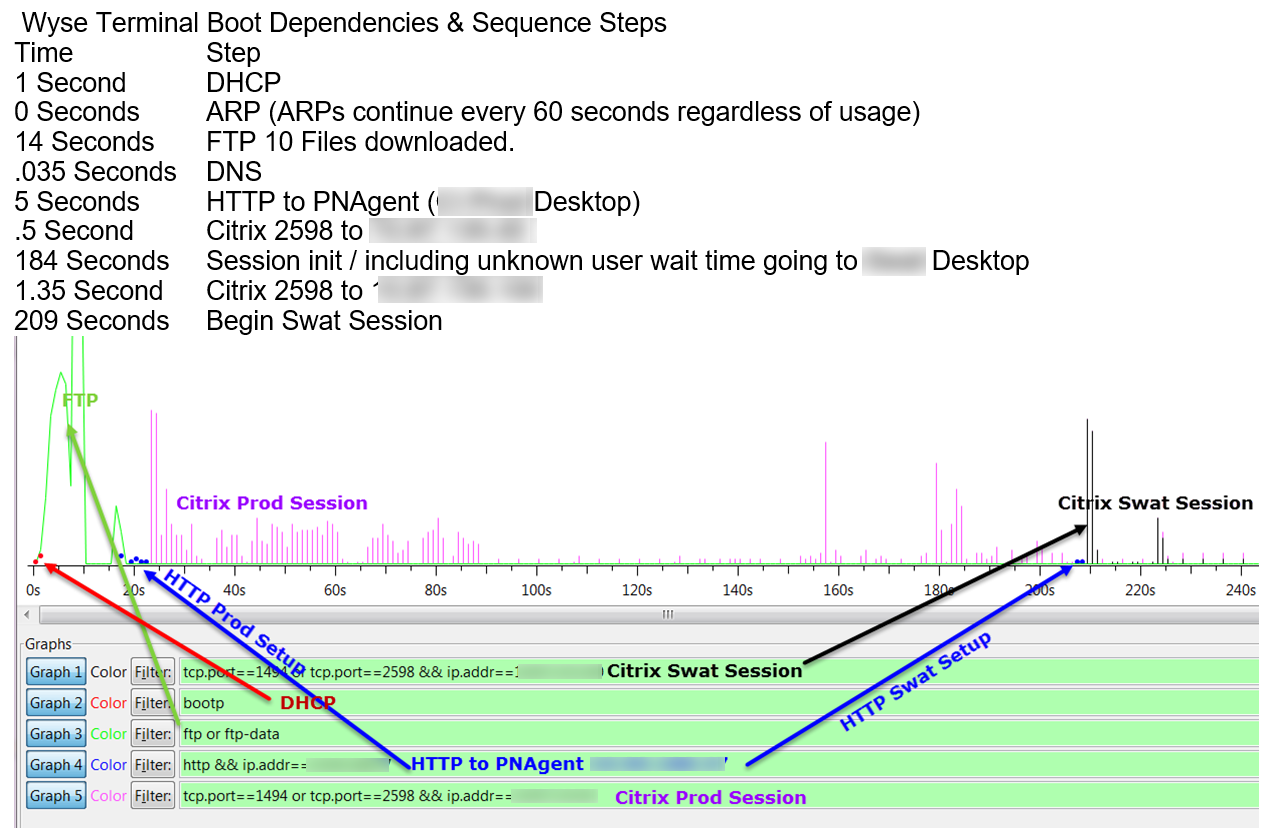
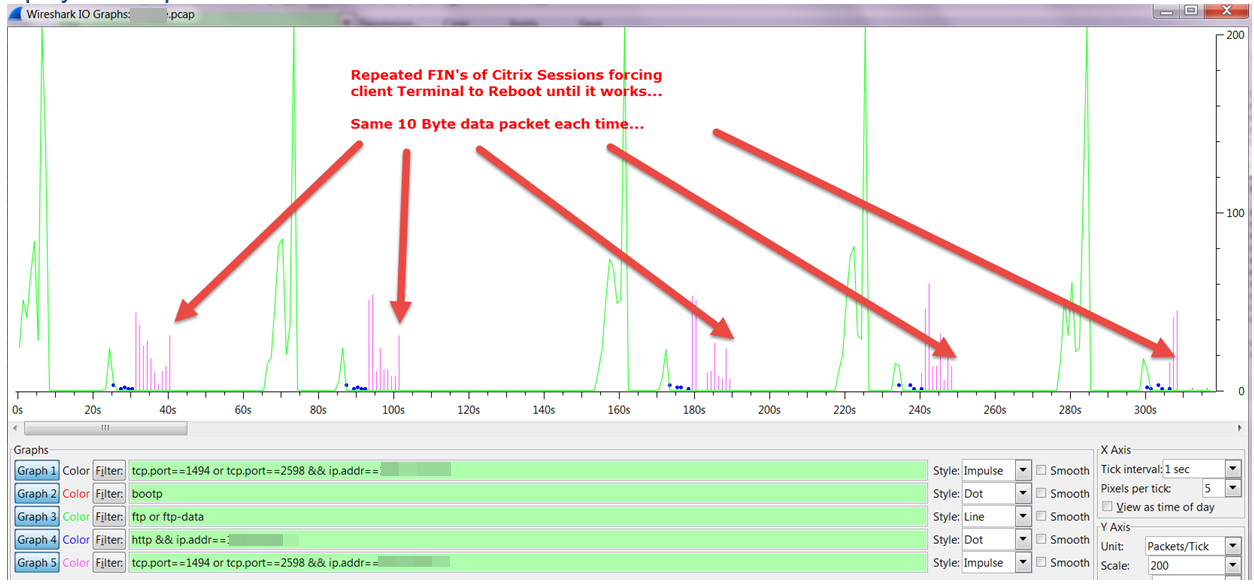
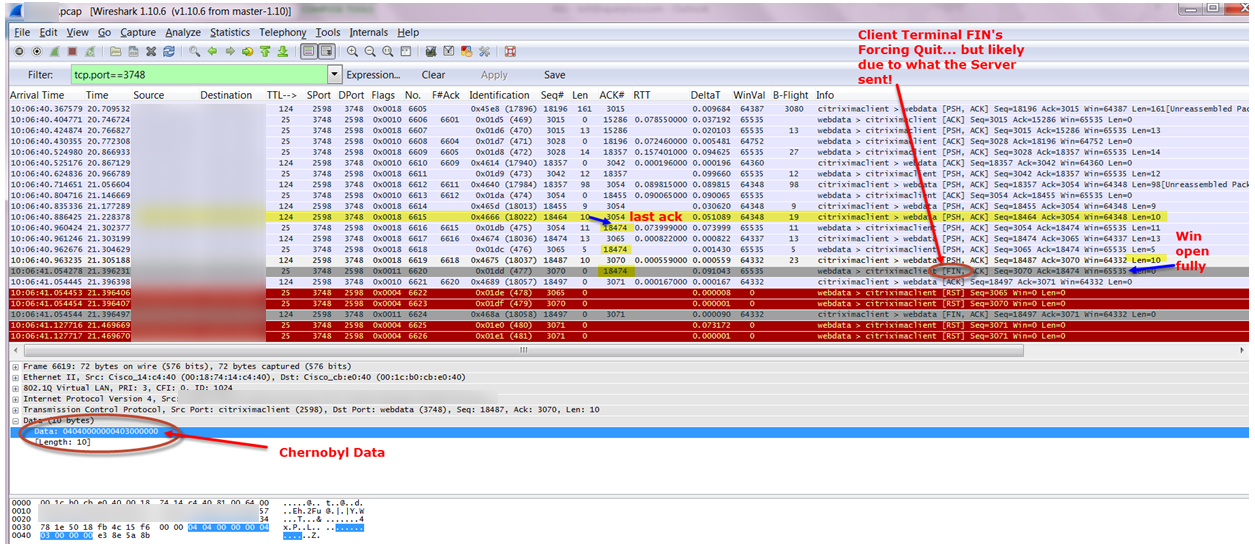
Citrix Performance Optimization
Project

Citrix Performance Optimization

[F]ortune 100 Company has serious Citrix issues affecting over 22,000 users regularly. Our Remote Diagnosis service was exactly what they needed to uncover the technical causes of

Read Article
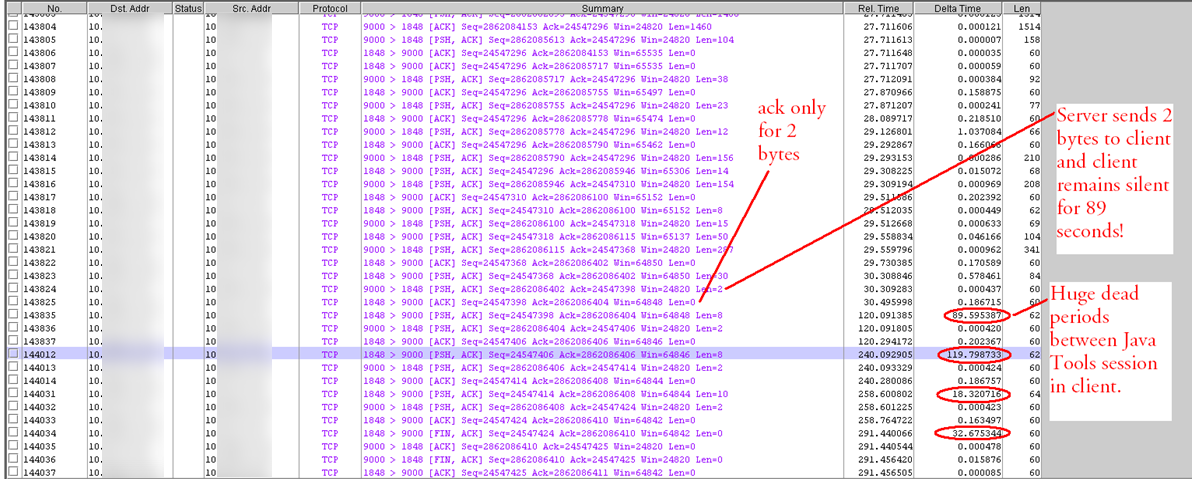
Java Client Slowdown
Project

Java Client Slowdown

[A]fter spending $600,000.00 on server CPU upgrade that did not improve response time, this company found the real problem they were trying to resolve. [W]e helped them diagnose th

Read Article
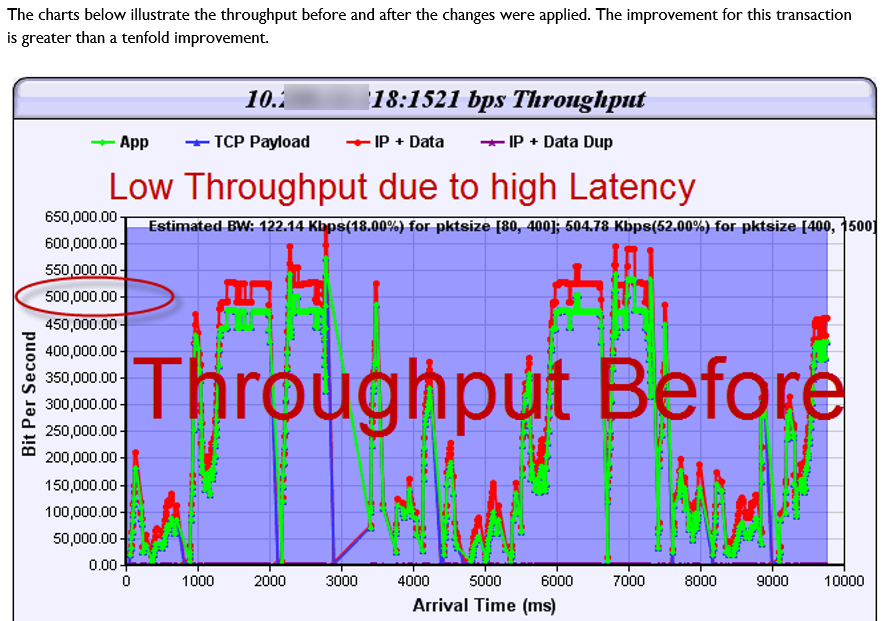
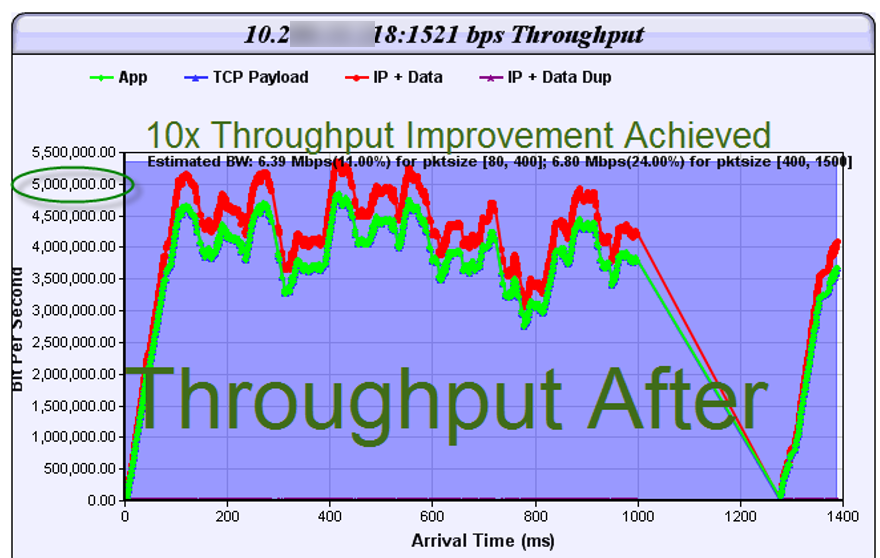
10x Application Throughput
Project

10x Application Throughput

[G]lobal 2000 Company receives 10x Application Throughput after diagnosing problem with Onsite Analysis. This organization received great reward for not one dollar of new equipment

Read Article
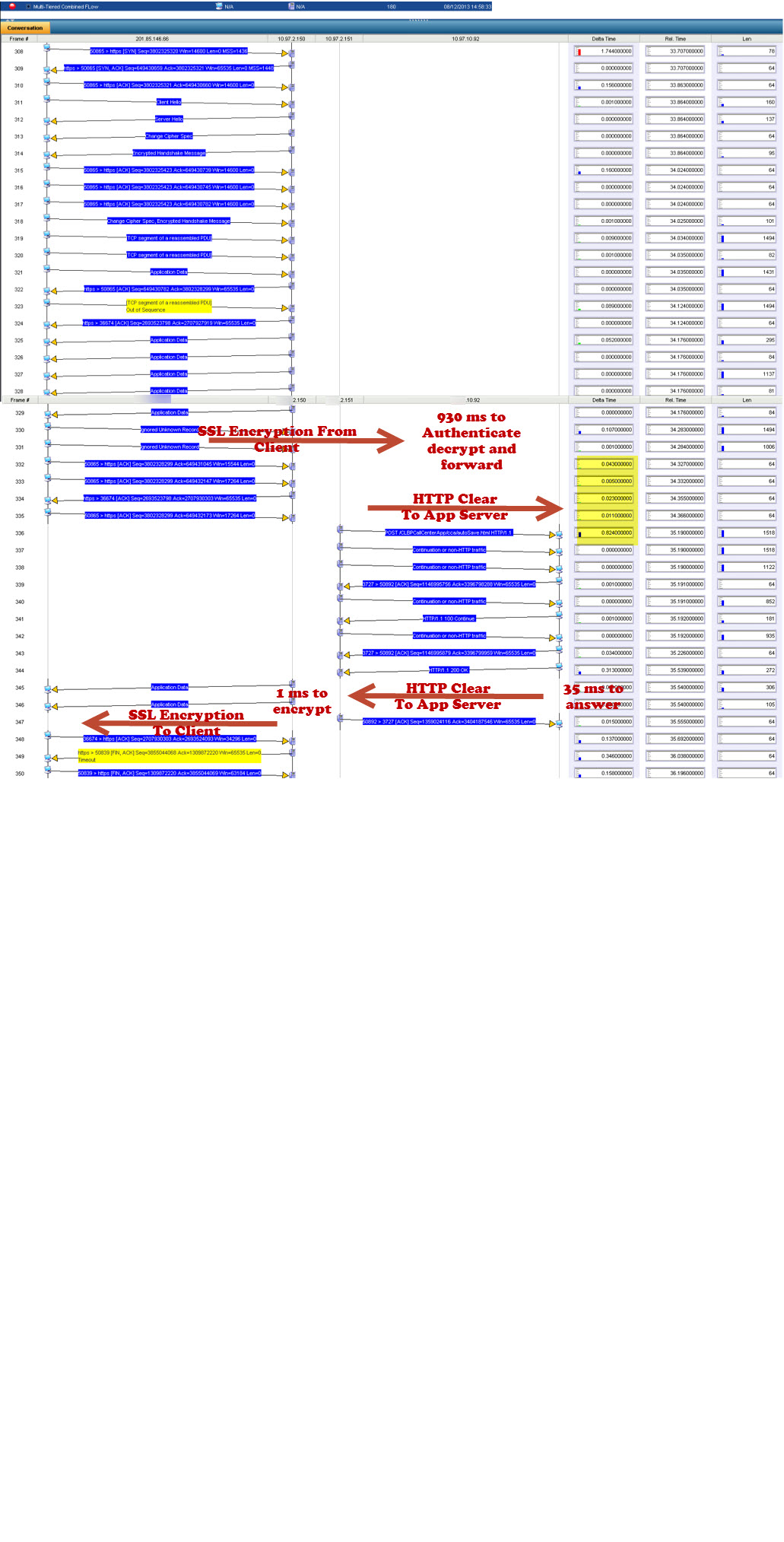
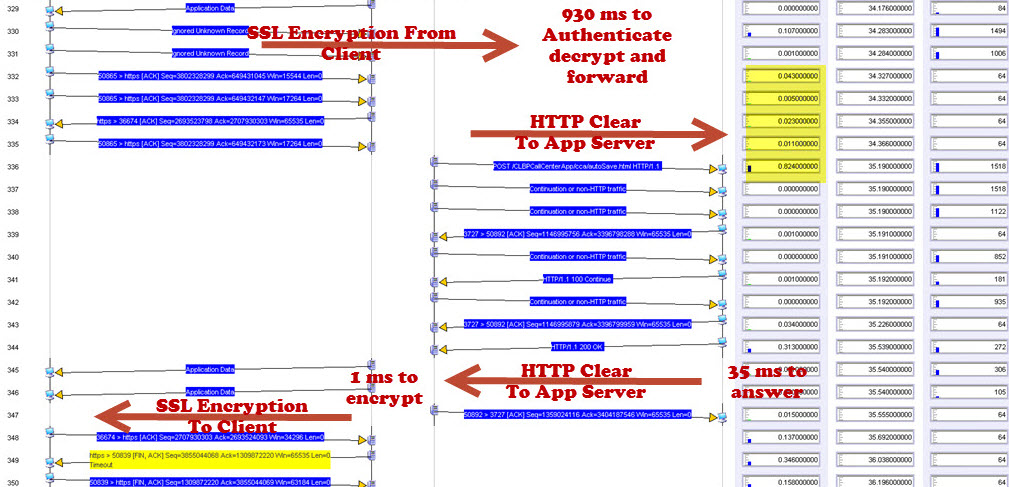
Security SSL Slowness Pinpointed
Project

Security SSL Slowness Pinpointed

[L]ooking at a Packet Trace File is often the first step in uncovering the problem. Like the TV Show "Yankee Workshop" just buying or having the same tools doesn't mean you can tur

Read Article
2013
Case Study

Oracle Client Slow

Datacenter consolidation creates performance problems for slow Oracle 11g Client queries. An application's server infrastructure was moved from an international location into a cen

Read Article
2012
Case Study

Pentagon Lessons Learned IT Disaster Recovery Plan

Pentagon 911 Lessons Learned - IT Disaster Recovery Plan Bill Alderson discusses the technical and IT Best Practice lessons learned from the events subsequent to the Pentagon 911 d

Read Article
2012
Case Study

IT Crisis Avoidance

Enterprise Architecture IT Disaster Recovery Plan Steps to APM Under Pressure This session takes ideas from many IT disaster critical problem resolution IT consulting engagements a

Read Article
2012
Case Study

Application Performance Monitoring Tools in the Theatre of War

APM Application Performance Monitoring Tools in the Theatre of War tells the story of how application performance management tools were deployed to analyze and report on key inteli

Read Article
2012
Case Study

WAN Optimization, Acceleration Raises Enterprise Complexity

Complexity of WAN Optimization, Application Acceleration devices makes analysis of problems and root cause analysis more complex. Yes, they are beneficial, but if you have an issue

Read Article
2012
Case Study

Network Redundancy Another Single Point of Failure SPOF?

IT Network Redundancy - Just Another Single Point of Failure (SPOF)? Trace by reverse engineering the Network logical packet flow to find out! What is redundancy? Network redundanc

Read Article
2012
Case Study

MTU setting across VPN or L2TP Tunnel - Network Performance Issues

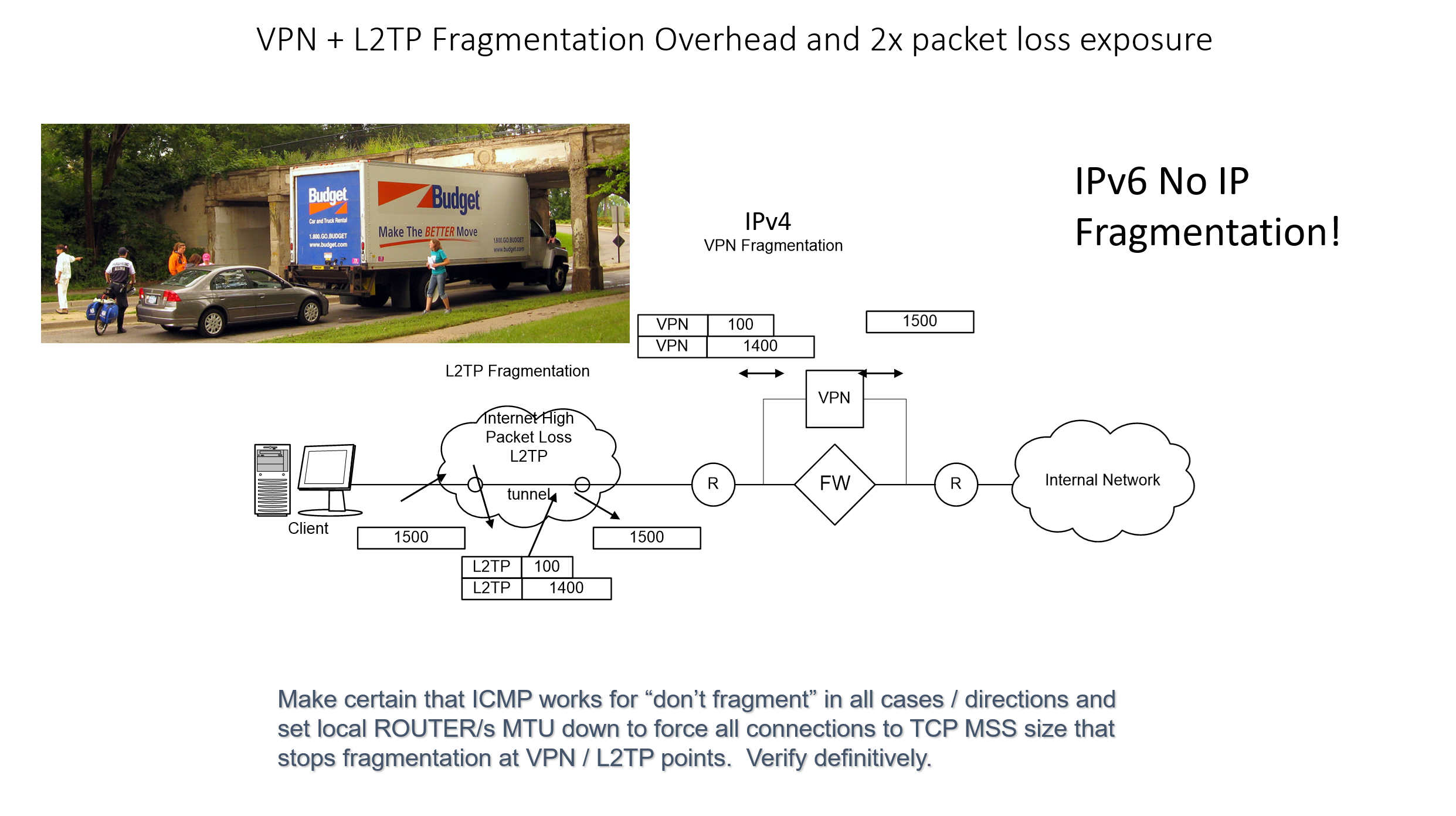
MTU defines Maximum Transmission Unit. Firewalls blocking ICMP disables IP's dynamic Path MTU Discovery causing fragmentation at VPN, L2TP tunnels impacting performance. Gateways a

Read Article
2012
Case Study

Oracle Performance Tuning with On-The-Wire Optimization

Oracle performance tuning -SQL and for that matter MS SQL tuning or any SQL server performance tuning can be analyzed by capturing TCP database transactions at the packet level. Th

Read Article
CIO's Oracle Performance Optimization ROI Justification - Save $20M over 5 years
Case Study

CIO's Oracle Performance Optimization ROI Justification - Save $20M over 5 years

Oracle performance optimization ROI justification based on detailed packet analysis findings. This case study helps CIO's justify portfolio spending on database improvements.

Read Article
2012
Case Study

Slow Domain Logon Analysis - Root Cause Identified - Solved!

Slow Domain Logon Analysis - Root Cause Identified - Solved! Root Cause Identified - Application Performance Optimized are the words CIO's and End Users enjoy hearing. Network Slow

Read Article
Case Study

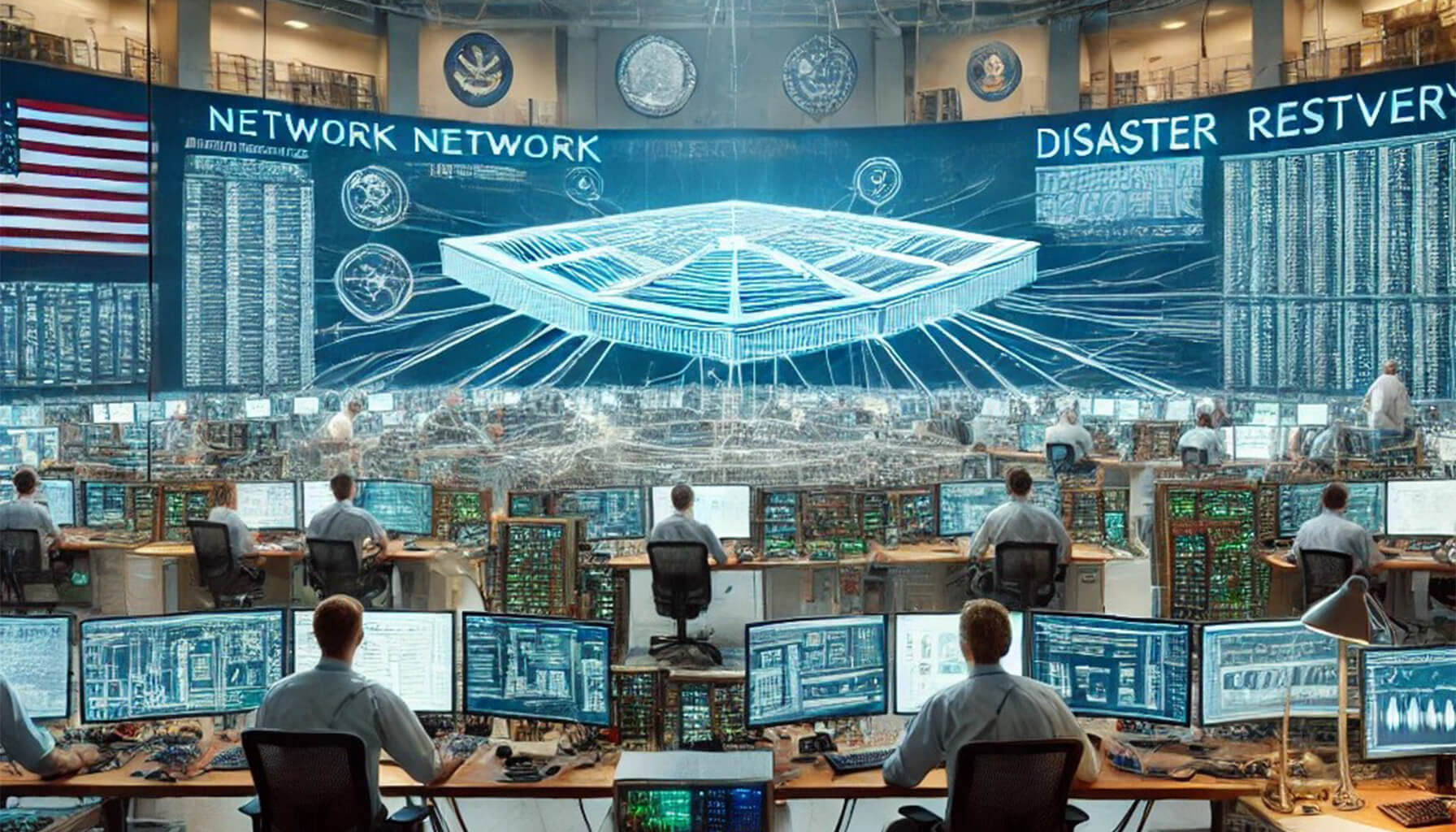
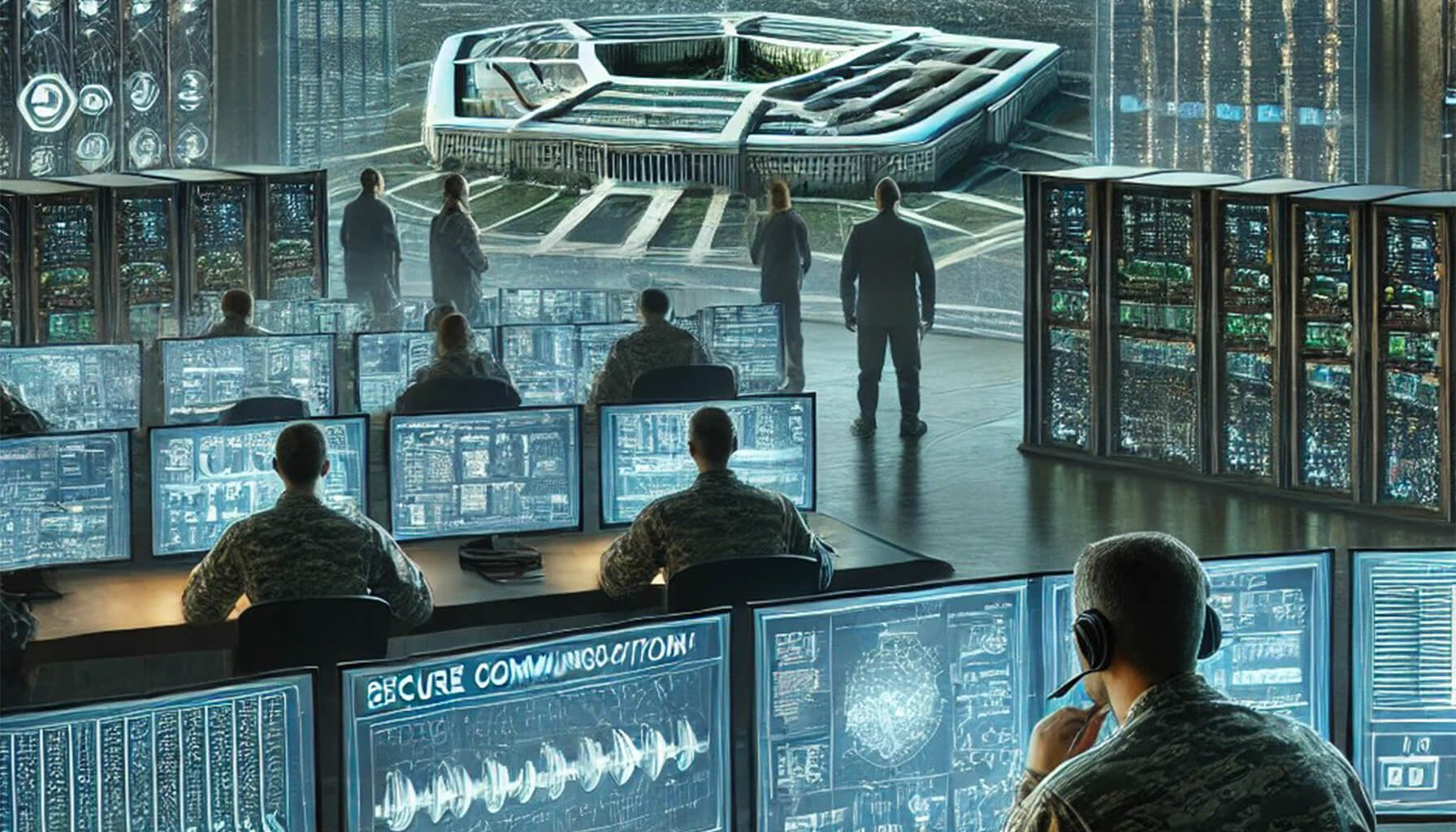
Pentagon 9/11 Communications Recovery

Introduction

In the wake of the 9/11 Pentagon disaster, organizations faced unprecedented challenges in restoring vital IT systems and re-establishing secure communication infrastructures. This case study delves into the efforts of Bill Alderson and his team, who were tasked with rebuilding the Pentagon's communication infrastructure.

Background & Context

Bill Alderson was called upon shortly after the 9/11 attacks to lead the effort in restoring communication systems at the Pentagon. Upon arrival, the team encountered severe damage to communication circuits, network management systems, and security infrastructure. Comprehensive network documentation had been lost on compromised servers. The team had to start from scratch — creating new diagrams, strategies, and documentation. The Pentagon's reliance on legacy systems and compartmentalized operational silos made collaboration between different teams challenging.

Solution & Implementation

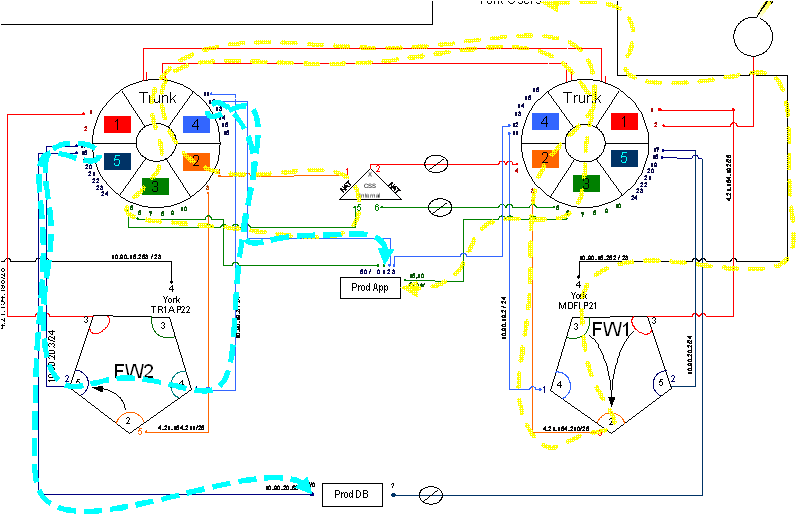
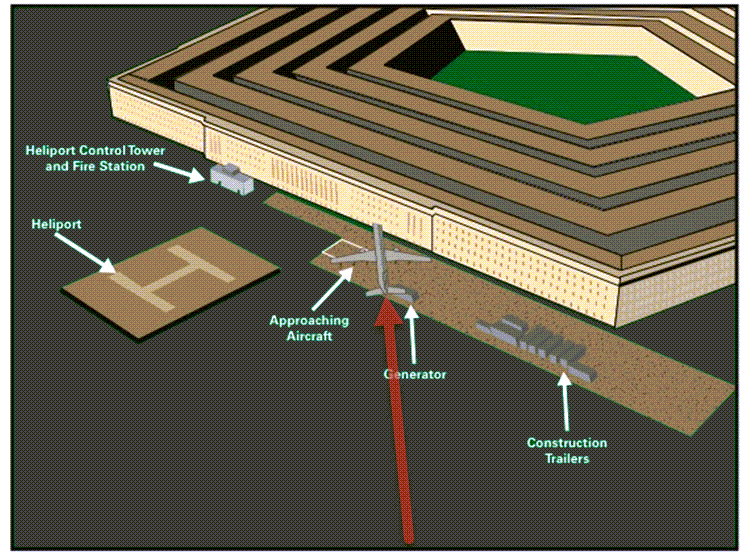
The team adopted a holistic approach with a core focus on Technical Systemization — not just addressing immediate problems, but creating long-term solutions. Key elements included cross-silo collaboration (bringing security, desktop, network, and application teams together) and the creation of the Rapid Network Rendering (RNR) Database to centralize data and visualize the entire network infrastructure in real time. Detailed Visio diagrams mapped out the Pentagon's communication systems.

Pentagon 9/11 Network Diagram

Results & Impact

90% improvement in overall network resilience.
80%+ reduction in communication failures.
Detailed system documentation and the RNR Database saved hundreds of hours in troubleshooting time.

The Pentagon improved overall network resilience by 90%. Detailed system documentation and the RNR Database saved hundreds of hours in troubleshooting time. Communication failures were reduced by over 80%.

Watch the ABC News coverage

↑ Back to Case Studies
Case Study

Network Performance Fails Media Giants

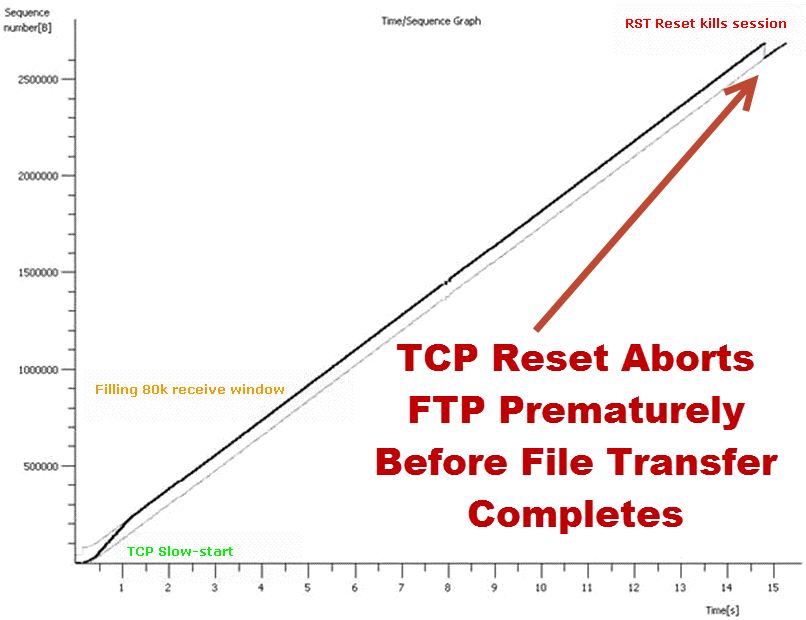
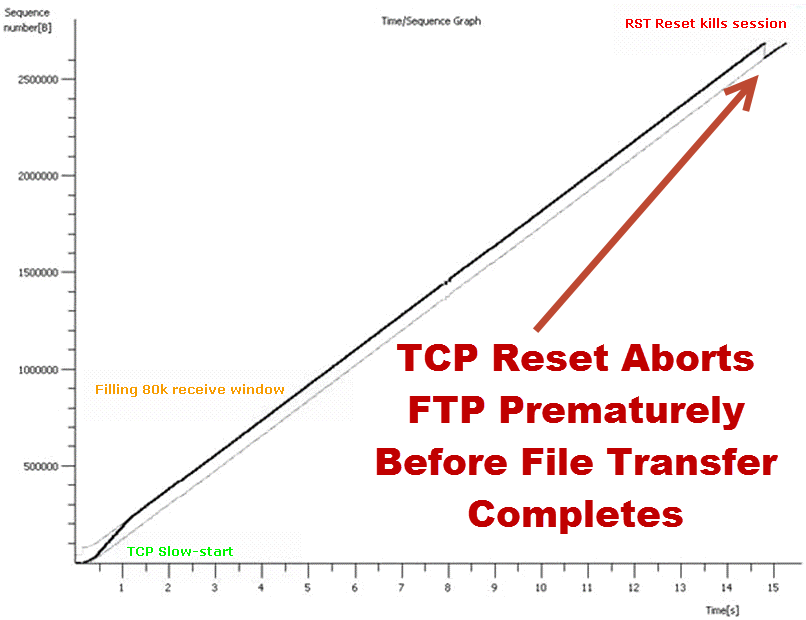
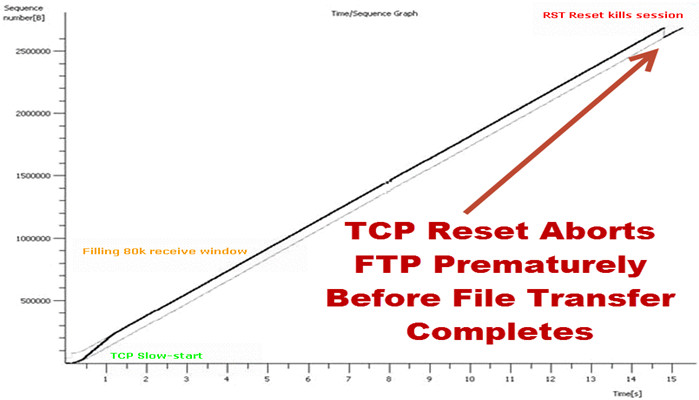
This TCP sequence graph uncovers a network anomaly where high-stakes file transfers are prematurely terminated due to unexpected TCP Resets. Despite initial smooth progression, akin to the creative workflows in a Mad Men era, our modern-day digital transfer is disrupted — not by cigarettes and old-fashioned vices, but by a digital hiccup that could spawn a plot twist worthy of Don Draper's most challenging ad campaigns.

In a network mystery with high visibility akin to an ad firm's peak season rush, the issue at hand is not a lack of creative direction but a technological misfire where each aborted transfer is a missed deadline. The clue? A TCP Reset, a digital “no” in a world that demands “yes.” The twist? Packets captured at strategic test points reveal an internal MITM — our own security device in disguise, issuing Resets from both ends. The culprit exposed not by a smoking gun, but by incongruent Hop Counts and IP Fragment IDs, unmasking a Linux IPTABLES Firewall as the unexpected interloper in this tale of digital intrigue.

The Plot Thickens

Some file transfers were pulling a Houdini, vanishing mid-way. Not all, mind you, just a select few that enjoyed the thrill of the incomplete journey. This wasn't just a network problem; it was a digital whodunit.

Unraveling the Technological Tango

The first clue lay in the mysterious TCP Resets, like unexpected plot twists in a Hitchcock thriller. These resets were cutting off file transfers like a bad movie edit. The question was: who was yelling “cut!”? In the style of any good detective story, we looked for suspects. Was it a rogue firewall playing vigilante? Or perhaps a mischievous man-in-the-middle, a digital Moriarty of sorts?

After some digital sleuthing worthy of Sherlock Holmes himself, we pinpointed the culprit: a Linux IPTABLES Firewall with a penchant for drama. It was like discovering the butler did it, but in this case, the butler was a bunch of code on a mission to disrupt.

Resolution

Replacing the open-source firewall with a Cisco PIX restored full network operations. File transfers completed successfully. The security manager — who almost took a metaphorical leap from the rooftop of despair — was back on solid ground.

Just as Don Draper would pivot to meet a market challenge, the network team, with forensic precision and a touch of digital sleuthing, navigated away from open-source firewalls towards a more stable solution. The stakes were high, the data critical, and the solution — a change in the network's very infrastructure — mirrors the transformative steps an ad agency might take to evolve with the times.

↑ Back to Case Studies
Tutorial

Exploring Web Vulnerabilities with DVWA

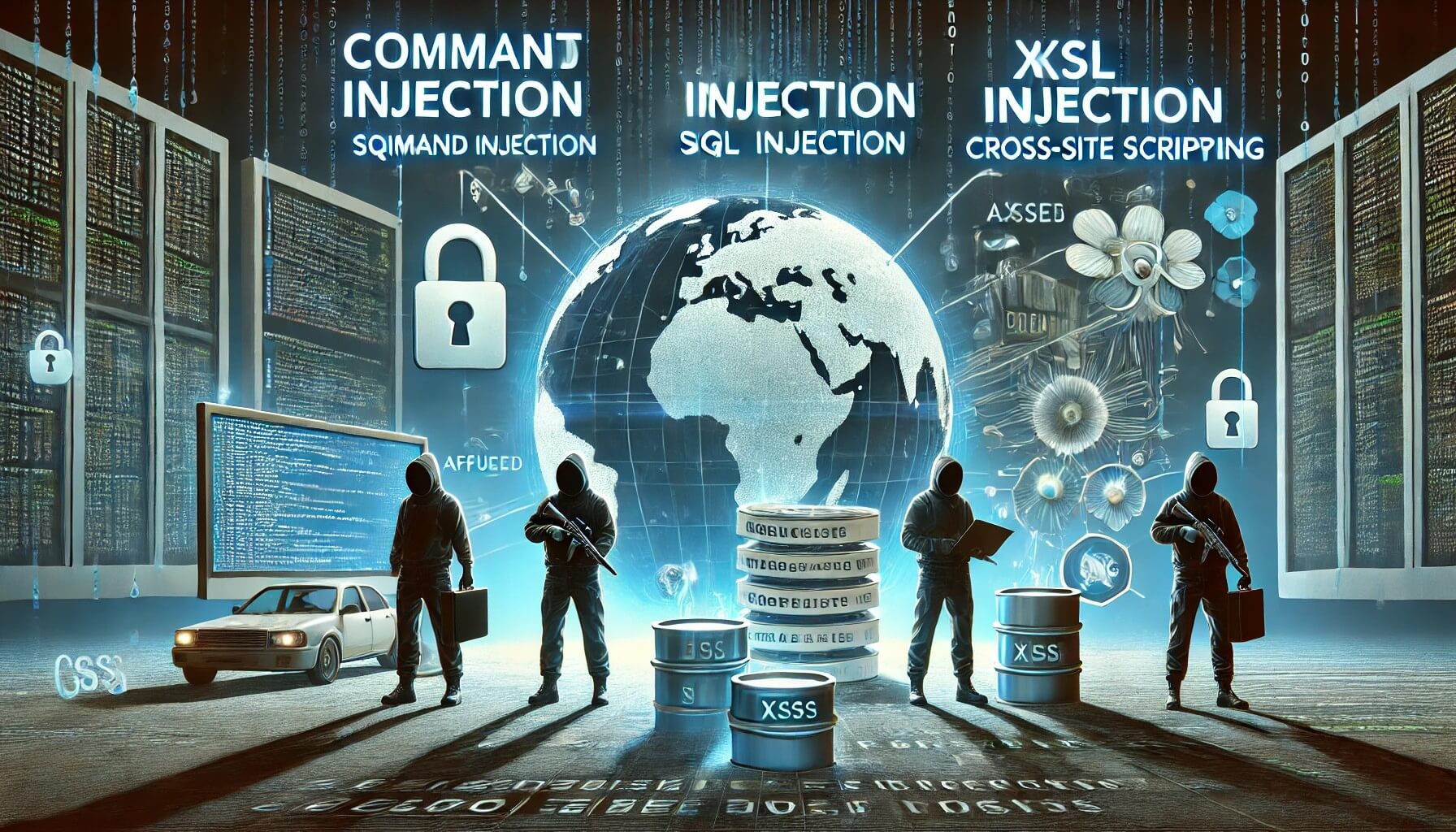
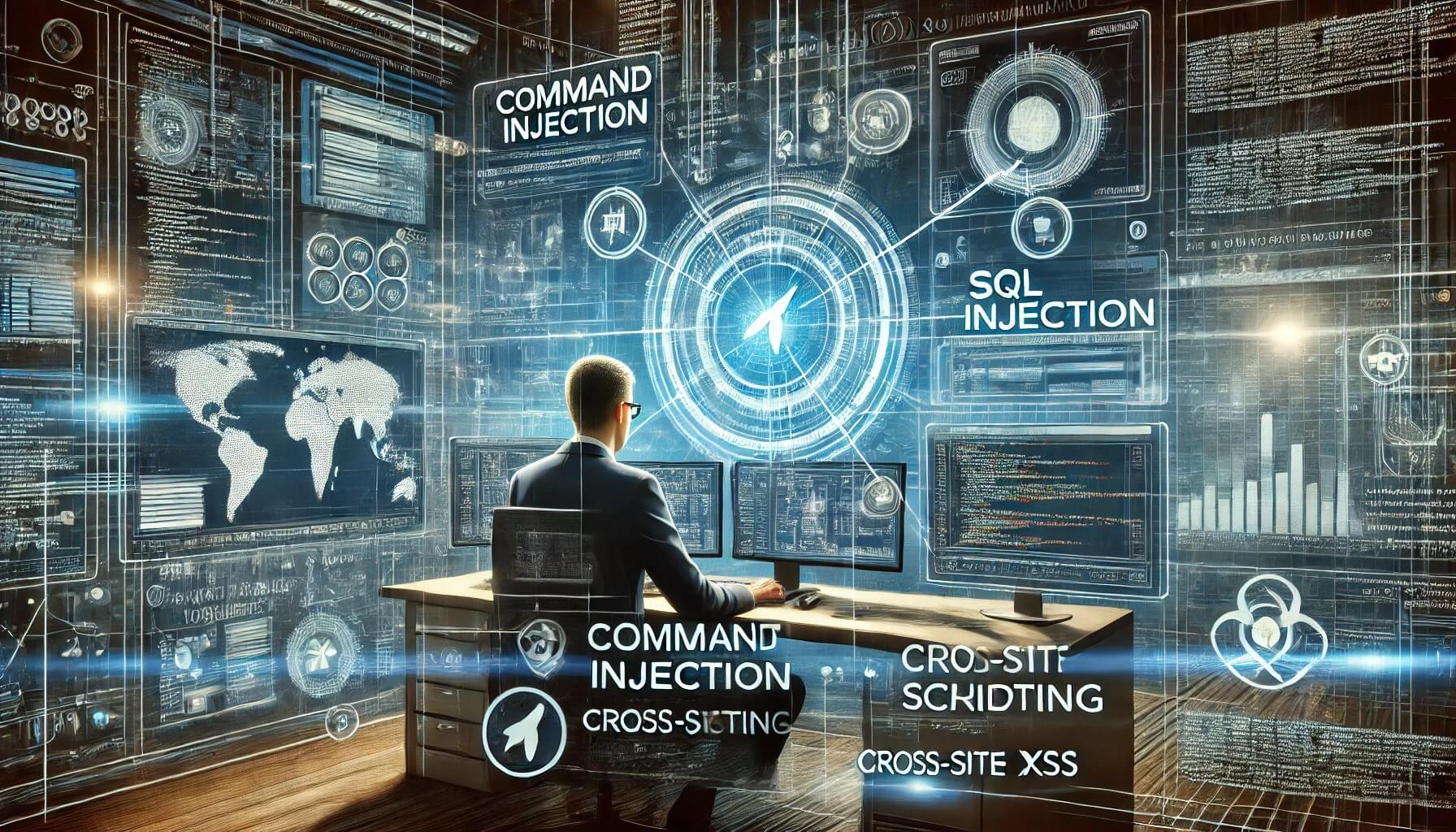
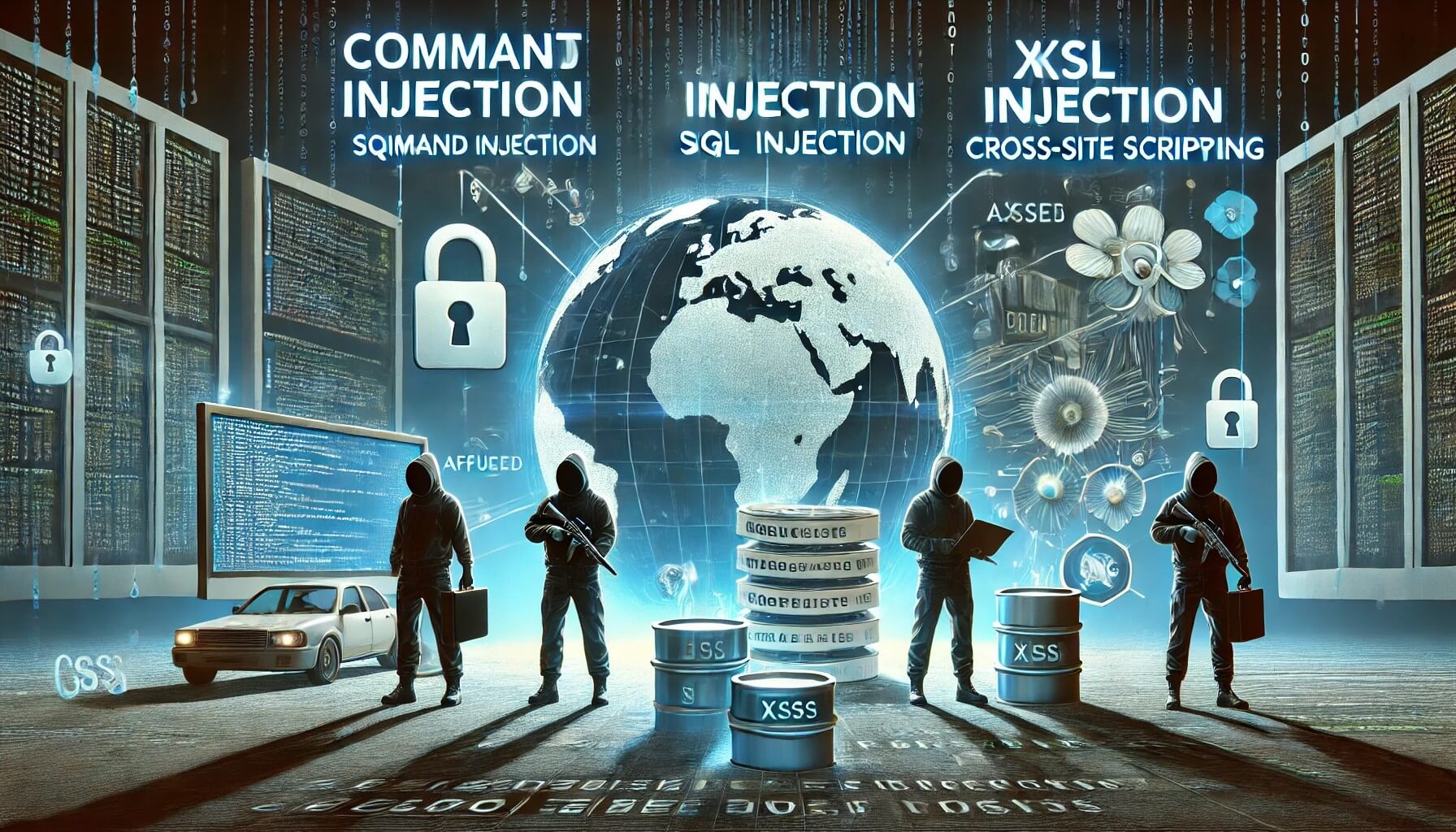
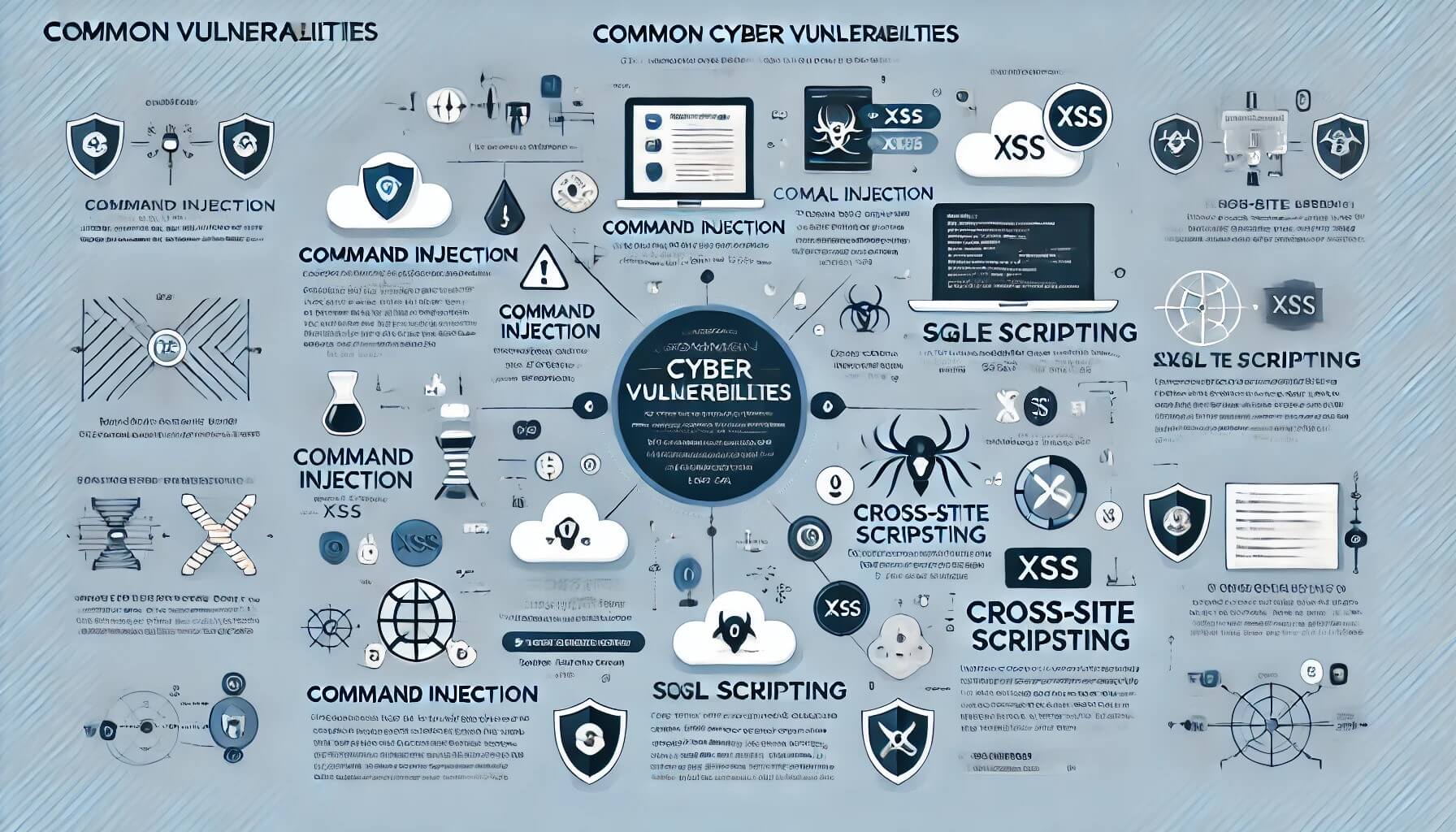
In the dynamic realm of cybersecurity education and testing, having a secure environment to explore vulnerabilities is crucial. DVWA (Damn Vulnerable Web Application) is a purpose-built platform designed for hands-on learning and testing of web-based security weaknesses. Developed using PHP and MySQL, DVWA allows users to work with command injection, SQL injection, cross-site scripting (XSS), and more.

Steps Covered

  • Downloading and Setup — Cloning DVWA from GitHub and preparing the environment
  • Configuration — MySQL database setup and config.inc.php customization
  • Security Considerations — Running DVWA in virtualized or sandbox environments only
  • Tools and Preparation — Configuring Burp Suite and FoxyProxy for intercepting traffic
  • Exploring the Challenges — Working through easy, medium, difficult, and impossible security levels
DVWA Setup Step 1 DVWA Setup Step 2

DVWA provides a controlled environment where security professionals and students can safely practice identifying and exploiting common web vulnerabilities. Each challenge level progressively increases in difficulty, building practical skills that translate directly to real-world security assessments and penetration testing engagements.

↑ Back to Case Studies
Technical Analysis

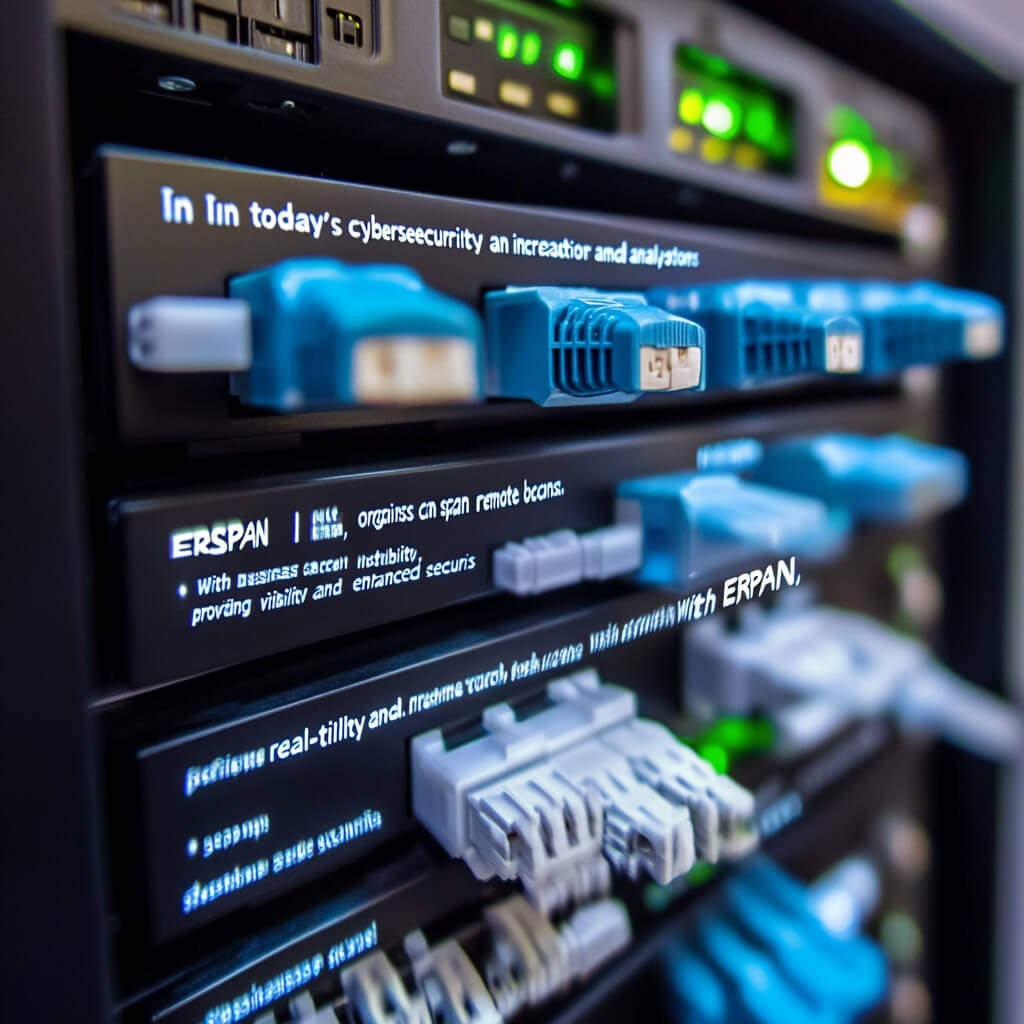
ERSPAN for Security Incident Response

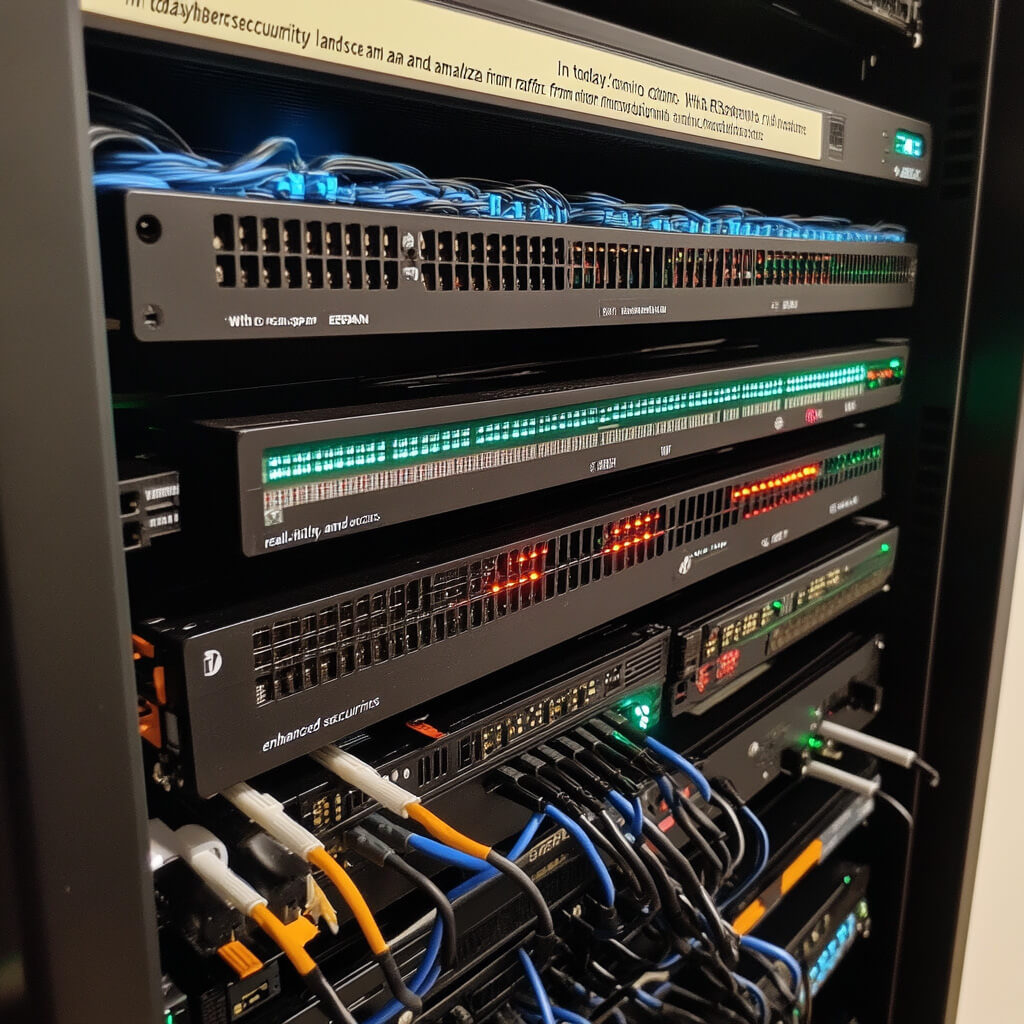
ERSPAN (Encapsulated Remote Switched Port Analyzer) enables remote network monitoring by encapsulating traffic within GRE tunnels. The session demonstrated configuration on Cisco 9K switches with source ports, destination addresses, and ACLs. It works across VMware, Linux, and Cisco platforms.

ERSPAN provides real-time packet capture without physical access, making it non-intrusive and highly scalable. Unlike traditional SPAN ports that require local access to the switch, ERSPAN routes mirrored traffic across the network through GRE encapsulation — enabling analysts to capture packets from remote locations as if they were directly connected to the monitored segment.

As businesses adopt cloud and distributed networks, ERSPAN becomes critical for automated monitoring and cybersecurity. The ability to remotely mirror traffic from any ERSPAN-capable device in the infrastructure means security teams can respond to incidents faster, with full packet-level visibility, regardless of physical location.

↑ Back to Case Studies
Case Study

ERSPAN Case Study

This case study focuses on an ERSPAN implementation demonstrated during a Wireshark Wednesday event. The implementation involved setting up ERSPAN source ports, configuring loopback capabilities, and specifying packet destinations on a Cisco 9K switch.

Implementation Details

The configuration included defining ERSPAN source sessions with specific monitor ports, establishing GRE tunnel endpoints, and routing mirrored traffic to the analysis workstation running Wireshark. The Cisco 9K switch served as the ERSPAN source, encapsulating selected port traffic and forwarding it to the designated destination IP.

Challenges

Challenges included outdated firmware supporting only ERSPAN Type 1 frames (lacking timestamping). Type 1 frames provide the basic mirrored traffic encapsulation but do not include the high-precision timestamp headers available in later ERSPAN versions — a limitation when sub-millisecond timing accuracy is required for forensic analysis.

Results

Network traffic was remotely captured for packet-by-packet analysis, providing real-time visibility and faster incident response.

Future improvements include upgrading to ERSPAN Type 2 frames for nanosecond-resolution timestamps, enabling more precise correlation of events across distributed network segments.

↑ Back to Case Studies
Case Study

DigiCert Revocation Case Study

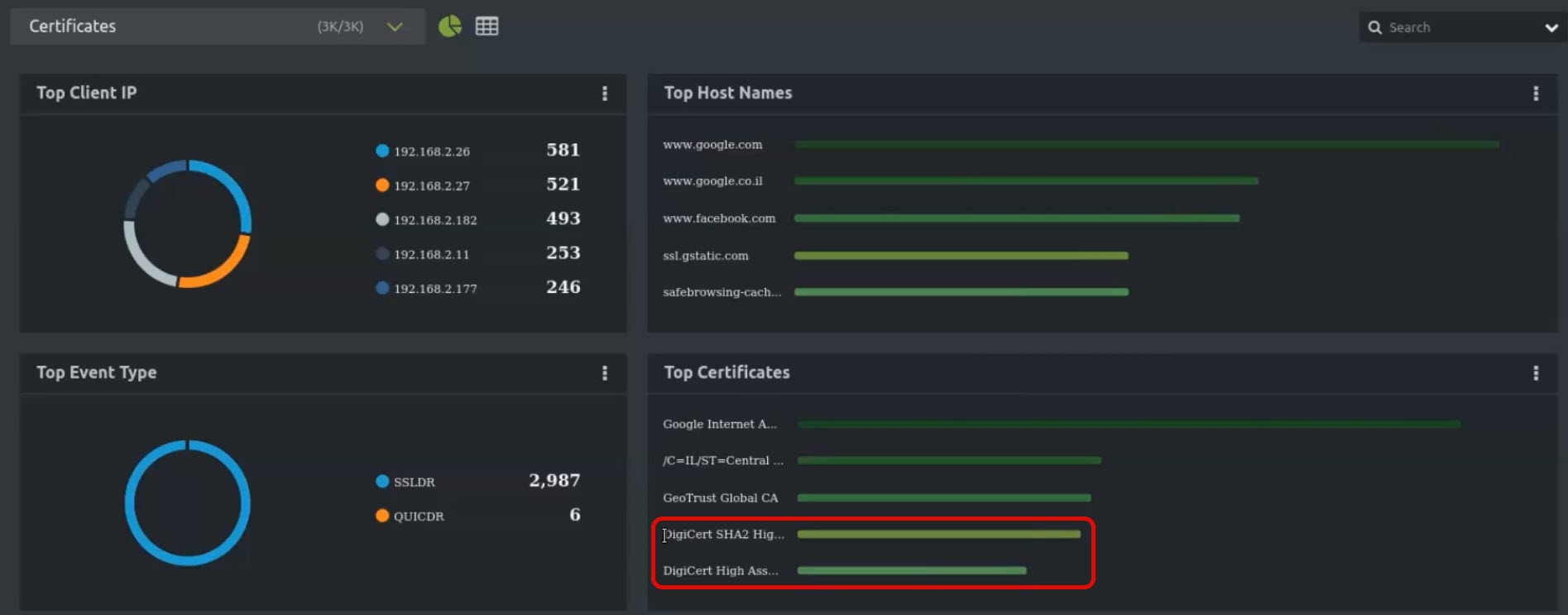
The DigiCert incident led to unexpected revocation of numerous SSL certificates, posing significant threats to organizations. Using the WireX Systems Ne2ition Platform for retrospective network analysis, a client needed to quickly identify affected certificates across their entire infrastructure.

Approach

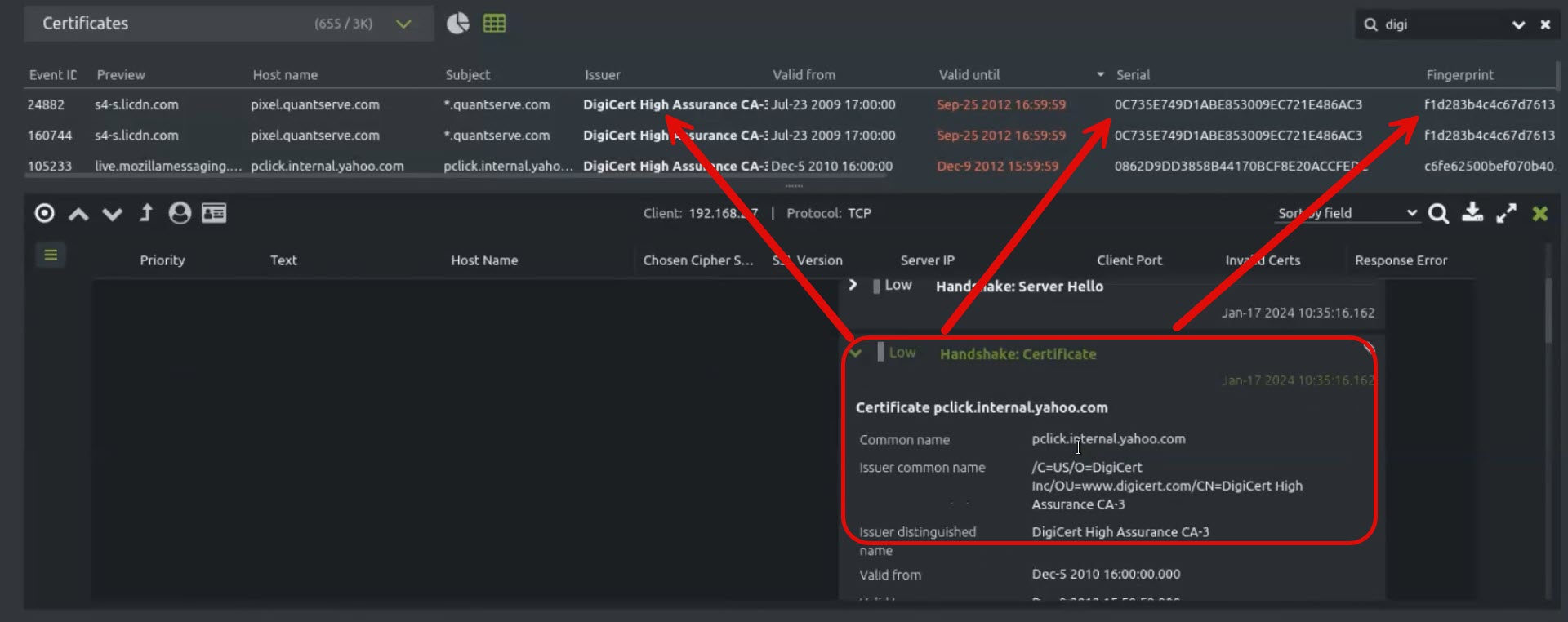
The team segmented the client's network starting with the marketing department, using advanced data dimensions to filter and analyze traffic. Retrospective analysis allowed the team to examine historical network data — looking back through previously captured traffic to identify every SSL/TLS handshake involving DigiCert-issued certificates.

Findings

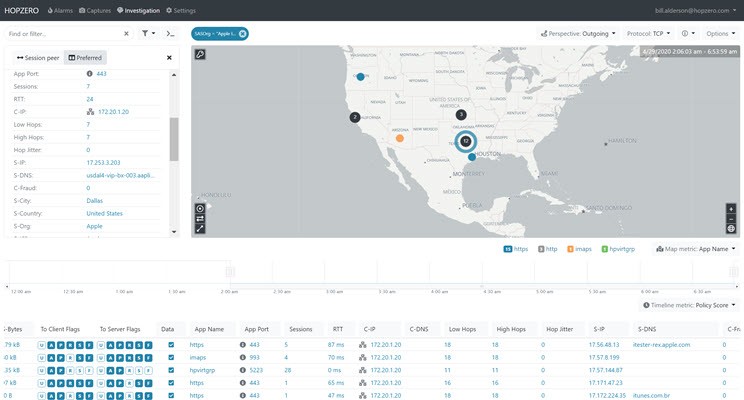
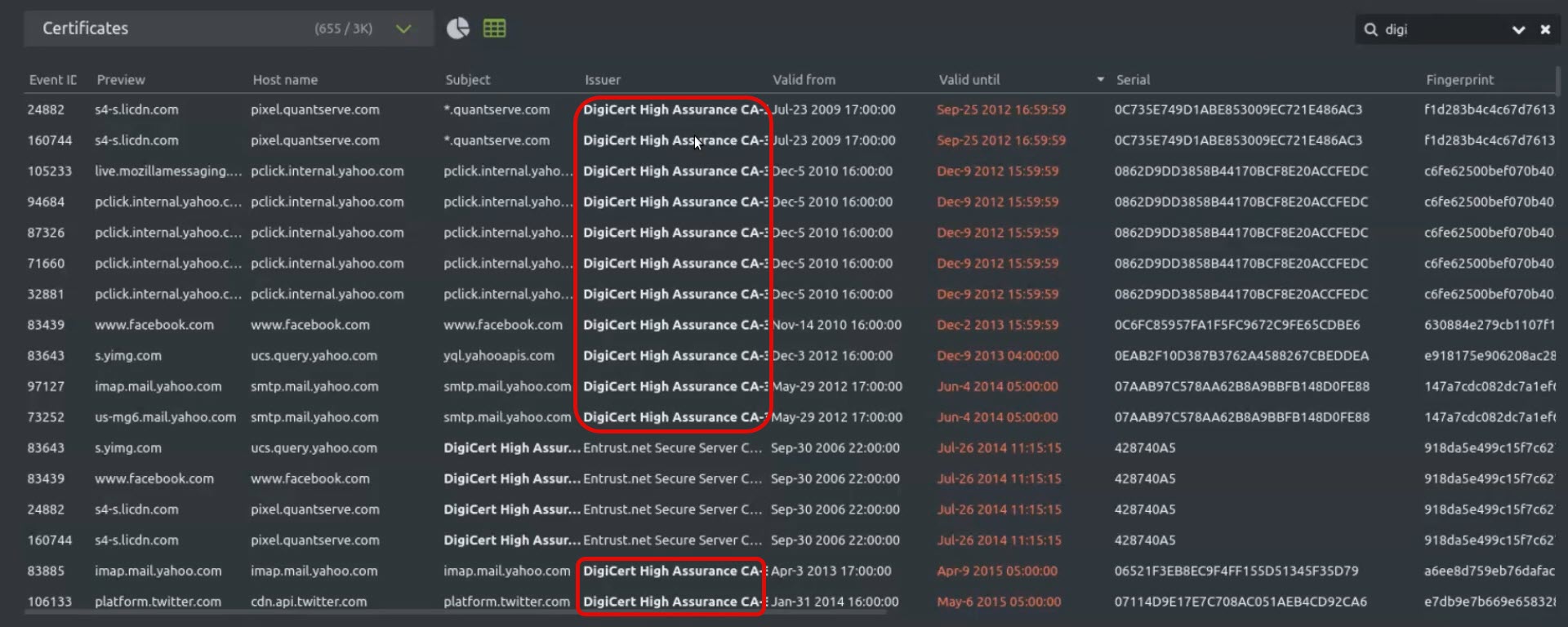
Within minutes, the team identified 655 compromised certificates, some dating back nearly a decade. The speed of identification was made possible by the platform's ability to index and query network metadata at scale, without requiring real-time capture during the incident window.

DigiCert Analysis Screen 1 DigiCert Analysis Screen 2 DigiCert Analysis Screen 3

Results

655 compromised certificates identified within minutes.
120 hours of investigation time saved.
90% reduction in breach risk.

The rapid response improved customer trust and demonstrated the operational value of maintaining retrospective network analysis capabilities. Organizations that invest in historical traffic indexing gain a decisive advantage when unexpected certificate revocations, breaches, or compliance events demand immediate answers.

DigiCert Certificate Revocation Incident Reference

↑ Back to Case Studies

Pioneer Biographies

The people who built the protocols, invented the tools, and shaped the discipline. Colleagues, mentors, and fellow practitioners.

Pioneer Biography

Vinton Cerf: Father of the Internet

Vinton “Vint” G. Cerf is Vice President and Chief Internet Evangelist for Google. He is considered one of the “Fathers of the Internet” for his pioneering work as a co-designer of the TCP/IP protocol in the 1970s and beyond. Cerf is an influential voice on Internet policy and technology issues like privacy and security.

With the rise of more interactive and speed-sensitive Internet applications, Cerf has supported new protocols to optimize TCP/IP performance. He wrote in Communications of the ACM in 2015: “The ‘quickness’ of QUIC derives from four key design decisions, including reduced connection establishment time, encrypted packet headers, integration of congestion control with loss recovery, and a new transport layer security protocol.”

Privacy and security issues emerged alongside Internet evolution. Cerf has observed: “I think forevermore we have lost anonymity and privacy in the digital world. It's the case that anything you do electronically can be monitored.” He sees protecting privacy as an ongoing challenge that requires continuous vigilance, not just technical solutions.

Cerf believes security vulnerabilities are unavoidable aspects of complex, interconnected systems. In the earlier days of finalizing the internet protocols, Cerf thought that building security into the internet at launch was not a good idea as it would have lowered usage. He views that we are moving back towards the end-to-end principle, and by adopting the philosophy of not communicating with devices we do not recognize, we are headed towards improved security on the network.

Cerf stresses pragmatic mitigation efforts focused on specific threats rather than seeking any final “fix.” He notes that the big challenge is to continue being open to innovation while limiting vulnerabilities and dealing with threats by designing specific solutions for specific problems. Still, no one solution will do it all.

In 1997, President Bill Clinton presented the U.S. National Medal of Technology to Vint Cerf and Bob Kahn for their work on TCP/IP.

↑ Back to Pioneers
Pioneer Biography

Radia Joy Perlman: Mother of the Internet

Few names resonate with as much influence in computer networking as Radia Joy Perlman. Often hailed as the “Mother of the Internet,” Perlman's groundbreaking contributions have helped sculpt the foundational structure of today's digital connectivity.

Early Life and Education

Born in Portsmouth, Virginia, on January 1, 1951, Perlman grew up in Loch Arbour, New Jersey. Her parents were engineers for the US government — her mother a computer programmer and trained mathematician, her father a radar specialist. She attended MIT, studying Mathematics, and developed TORTIS, a child-friendly programming language for educational robotics, establishing her as a pioneer in teaching programming to young children.

Spanning Tree Protocol and TRILL

Perlman's invention of the Spanning Tree Protocol (STP) prevented data loops in Ethernet networks, ensuring reliable and predictable communication and reducing network vulnerabilities. Her creation of TRILL (Transparent Interconnection of Lots of Links) integrated security considerations to simplify network configurations while enhancing performance.

Security Pioneer

Perlman's work extended beyond connectivity to developing secure networking protocols. Her emphasis on mastering and mitigating vulnerabilities in network infrastructure centered on designing protocols and mechanisms to prevent unauthorized access and exploitation of sensitive data. Her advocacy for simplicity in network design — developing straightforward and robust protocols — contributed to creating less vulnerable systems. She was inducted into the Internet Hall of Fame in 2014.

Her influential books include Interconnections: Bridges, Routers, Switches and Interworking Protocols and Network Security: Private Communication in a Public World, widely used in higher learning institutions.

↑ Back to Pioneers
Pioneer Biography

Dr. Harry J. Saal: Visionary Technologist and Philanthropist

Dr. Harry J. Saal, a distinguished American technology entrepreneur, executive, and philanthropist, has left an indelible mark on Silicon Valley and beyond through visionary leadership and impactful contributions to the tech industry and community welfare.

Academic Excellence and Early Career

A Westinghouse Science Talent Search finalist in 1960, Dr. Saal earned his B.A., M.A., and Ph.D. in High Energy Physics from Columbia University, graduating magna cum laude in 1969. He joined the Stanford University Linear Accelerator Center and lectured in Stanford's computer science department.

Network General and the Sniffer

Dr. Saal's corporate trajectory began with IBM, contributing to the scientific center in Israel and the IBM General Products division in San Jose. His entrepreneurial spirit led to founding Nestar Systems in 1979, which pioneered local area network systems for personal computers in collaboration with Len Shustek. In 1986, he co-founded Network General Corporation — a groundbreaking venture in network diagnostics. The creation of the Sniffer protocol analyzer solidified his role as a technological pioneer.

Legal and Philanthropic Impact

In 2002, Dr. Saal was appointed by the United States Department of Justice to lead the Technical Committee overseeing the Microsoft anti-trust case. Between 1989 and 1996, he dedicated over 20% of his net worth to philanthropy, including medical research, education, and helping Jewish refugees from Russia. He served as director and chairman of the Silicon Valley Community Foundation and the San Jose Museum of Art.

↑ Back to Pioneers
Pioneer Biography

Len Shustek: Computing History Steward

Leonard J. Shustek is a luminary figure whose influence transcends the boundaries of academia, setting him apart from the typical tech entrepreneur. With a legacy marked by a great zeal for computer education and a relentless drive for innovation, Len Shustek is a pillar in computing and technology.

Education and Academic Career

Born December 29, 1947, Shustek earned his B.S. in Electrical Engineering from Princeton University in 1969, then a Master's degree and Ph.D. in Computer Science from Stanford University. During his tenure as a faculty member at Carnegie Mellon University, he made substantial contributions to computer graphics and computer-aided design.

Computer History Museum

As Chairman of the Board at the Computer History Museum, Shustek profoundly impacted the preservation of computing history. Under his leadership, the museum substantially expanded its collection of computing-related artifacts, documents, and oral histories, transforming it into a comprehensive repository of computing history. His advocacy for technology education extends to students, educators, and enthusiasts through the museum's programs and initiatives.

Shustek's collaborations with industry leaders, tech companies, and innovators facilitated the acquisition of significant artifacts and initiated valuable dialogues between the computing community and the public. He champions STEM disciplines, advocating for their importance in preparing future generations for an increasingly tech-driven world.

↑ Back to Pioneers
Pioneer Biography

Betty DuBois: Packet Analyst and Network Troubleshooting Expert

Betty DuBois, the Chief Detective at Packet Detectives, a network performance consulting and training firm based in Atlanta, GA, has been solving mysteries since 1997. Experienced with a range of hardware and software packet capture solutions, Betty captures the right data, in the right place, and at the right time to find the real culprit. She shares her passion for packets as a presenter each year at SharkFest.

Betty has a rich background in network assessments, fault isolations, and deploying network analysis equipment. Specializing in rapid on-site diagnoses, her expertise ensures organizations receive swift and definitive solutions to network infrastructure challenges, minimizing downtime and optimizing performance.

Her instructional capabilities shine through roles as a Course Developer at ISS, Senior Instructor at Network Associates and Network General. Known for making complex subjects engaging, she brings real-life examples into the classroom. Her accomplishments include creating courses for CloudShark Academy, presenting at SharkFest, and contributing to publications such as “Using Wireshark Command Line Tools” and “Protocol Deep Dive: DNS” on Pluralsight.

Betty's commitment is further exemplified through her Austin Cyber Show session “Mystery Solved: Deep Packet Security Analysis,” utilizing Wireshark to demonstrate critical parameters negotiated during the TLS Handshake.

↑ Back to Pioneers
Pioneer Biography

Brian Clinkenbeard: Virtual CISO and Cybersecurity Innovator

Brian Clinkenbeard is a dedicated cybersecurity expert with over nine years of experience, serving as a Data Science Advanced Analyst and Virtual CISO at Secutor Consulting since January 2015. He brings expertise in cybersecurity and infrastructure security planning.

Brian holds certifications from Microsoft and has undergone extensive training in security and resilience from Texas A&M Engineering Extension Service. His core competencies span network monitoring tools, information security, incident response, and vulnerability management and assessment. He has a proven track record of transforming, modeling, and visualizing data to improve clients' security postures.

One of Brian's notable accomplishments includes creating a web-based support intranet that significantly reduced call times and increased issue resolution for a third-party contract provider, earning him an award for his innovative solution. He actively contributes to the community through volunteer work, including serving as Deputy Sector Chief for InfraGard National Members Alliance and President of the MSDN Dallas Chapter.

↑ Back to Pioneers
Pioneer Biography

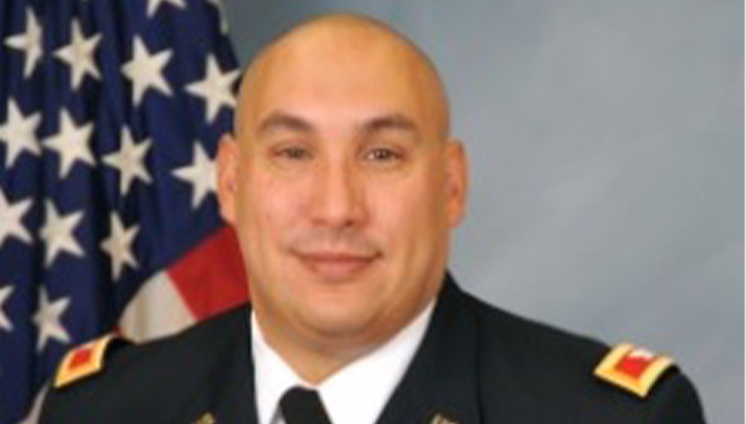
Colonel David Wills: Military Excellence and Strategic Leadership

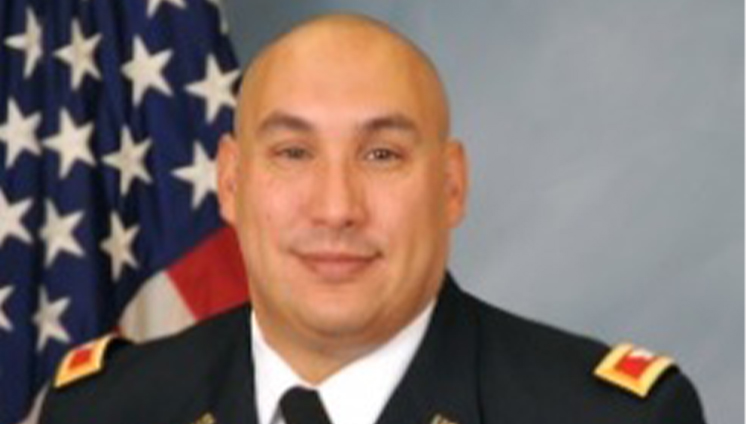
Colonel (COL) David Wills retired from the U.S. Army in 2021 after serving as the Deputy Director for C4 Systems at USSTRATCOM since 2015. His distinguished career emphasized military excellence and strategic leadership, overseeing global-integrated C4 systems for missions ranging from strategic decision-making to nuclear, global strike, space, and cyberspace operations.

From 2013 to 2015, Colonel Wills served as the J6 Deputy Director for Information Technology Services at the Pentagon, leading over 200 personnel. He managed a $50M IT infrastructure, directed a $61M annual budget, and coordinated JS IT service delivery with OSD, DISA, and NSA.

Wills demonstrated his commitment to service in both peace and war, deploying in support of Operation Sea Signal in Guantanamo Bay (1994), Operation Southern Watch in Dhahran, Saudi Arabia (1996), and Operation Iraqi Freedom (2003 and 2007). He graduated from USMA in 1991 and earned a Master's degree in Strategic Studies from USAWC. Accolades include the Defense Superior Service Medal, Bronze Star, and Parachutist Badge.

↑ Back to Pioneers
Pioneer Biography

Gary Hayslip: Global CISO and Cybersecurity Author

Gary Hayslip's professional journey affirms his commitment to cybersecurity excellence and information technology leadership. He started his career in the U.S. Navy, serving in various executive roles on Active Duty and as a Federal Government employee.

As Chief Security Officer at SoftBank Investment Advisers (SBIA) — a globally recognized firm with over $200 billion in capital and 460+ portfolio companies — Gary serves as the principal executive and architect of cybersecurity initiatives. He leads a geographically dispersed security team overseeing security operations across 16 global offices, planning and deploying zero-trust architecture to support cloud-first enterprise infrastructure.

Gary's expertise extends to providing cybersecurity and business continuity due diligence on potential investments, having reviewed over 600 companies. He holds an MBA from San Diego State University and a Professional Certificate in Managing Risk in the Information Age from Harvard University.

As a keynote speaker and author, he co-authored the influential CISO Desk Reference Guide series and authored The Essential Guide to Cybersecurity for SMBs and Developing Your Cybersecurity Career Path. These publications are widely regarded as leading resources for CISOs.

↑ Back to Pioneers
Pioneer Biography

Jon DiMaggio: Threat Intelligence Strategist

Jon DiMaggio is a highly accomplished cybersecurity professional and published author, currently holding the position of Chief Security Strategist at Analyst1. With over 15 years of dedicated experience, he has become a recognized authority in threat intelligence.

Before his current position, DiMaggio served as a Senior Threat Intelligence Analyst at Symantec from 2014 to 2020, leading complex threat investigations. He also contributed as a Senior Fusion Analyst at General Dynamics Information Technology, focusing on identifying state-sponsored cyber threats and attributing TTPs of Advanced Persistent Threats.

DiMaggio holds a patent titled “System and Method to Detect Covert Channels Structured in IPv6 DNS Transactions” (US 9692771, 2018). He authored The Art of Cyberwarfare: An Investigator's Guide to Espionage, Ransomware, and Organized Cybercrime (No Starch Press, 2022), which earned the SANS Difference Maker Award for Book of the Year. His “Ransomware Diaries” series — including “Unlocking LockBit” — has been featured on 60 Minutes, The New York Times, Bloomberg, CNN, Reuters, and Wired.

↑ Back to Pioneers
Pioneer Biography

Paul Barrett: Network Assurance and Cybersecurity Pioneer

Paul Barrett holds the position of Chief Technology Officer (CTO), Enterprise, at NETSCOUT. With a tenure spanning over eight years, he has been instrumental in steering technological advancements at the organization. Before this role, he served as Chief Architect at NETSCOUT from 2011 to 2015.

Paul's journey with NETSCOUT began in 2011 with the acquisition of Psytechnics Ltd, where he served as Head of Engineering. Before Psytechnics, he contributed to BT Labs, focusing on voice transmission for GSM and 3GPP. His current role oversees enterprise service assurance, cybersecurity, and DDOS products, encompassing real-time network analysis, unified communications, digital signal processing, encryption, and intellectual property.

Between 2005 and 2016, Paul assumed pivotal roles as vice chair and working party chair at the United Nations' International Telecommunication Union (ITU), simultaneously leading the United Kingdom's delegation for ITU-T study groups. He is a named inventor on 20 patent applications and is recognized as a Senior Member of the IEEE and a Chartered Engineer and Member of the IET in the United Kingdom.

Paul earned a Master of Engineering in Electronic Systems Engineering from the University of York. He actively engages in community work, including serving as Board Member, Treasurer, and President of Habitat for Humanity of Greater Lowell from 2013 to 2019.

↑ Back to Pioneers

Tech Guides

Wireshark tutorials, protocol analysis, and network forensics methodology. Practical knowledge from real-world operations.

2017
Technical

A Digital Border Wall We Can All Agree On?

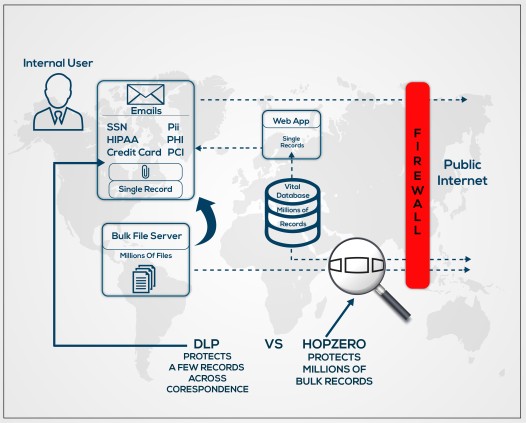
A new digital border wall for your network, datacenter or device? Compromise of the wrong database can be catastrophic to a nation, customers, the organization - and you! United St

Read Article
2017
Technical

Diverse Thinking Solves IT Problems - Pentagon 911 Root Cause

The Pentagon was locked down; our team was escorted by heavily armed forces outside the emergency perimeter, through security and past the office of the Secretary of Defense until

Read Article
IT Performance Validation
Technical

IT Performance Validation

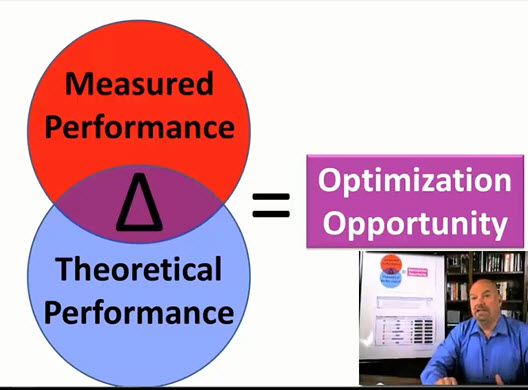
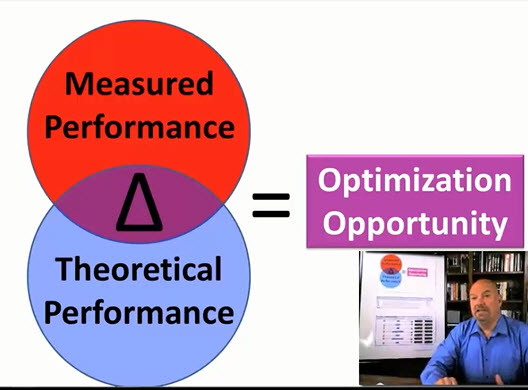
How Close To Maximum Theoretical Performance Are Your Applications? What Would It Cost To Improve? If Key Applications Ran At Near Theoretical Speed How Much Would It Save? How Lon

Read Article
2012
Technical

TCP Selective Ack TCP Dup Ack TCP Previous Segment Lost

TCP Selective Ack TCP Dup Ack TCP Previous Segment Lost TCP Selective Acknowledgment creates performance complexities. Bill Alderson provides a short TCP tutorial on the function o

Read Article
2011
Technical

Defining an IT Organization’s Technical Architecture

Every organization has a unique technical architecture “fingerprint,” characterized not only by the products it has chosen to deploy, but also by the organization’s business cultur

Read Article
Anatomy of a Cyber Attack
Technical

Anatomy of a Cyber Attack

Most cyber professionals don't have the opportunity to see an actual cyberattack play out. They understand concepts and hear about different TTPs, but rarely see an entire attack f

Read Article
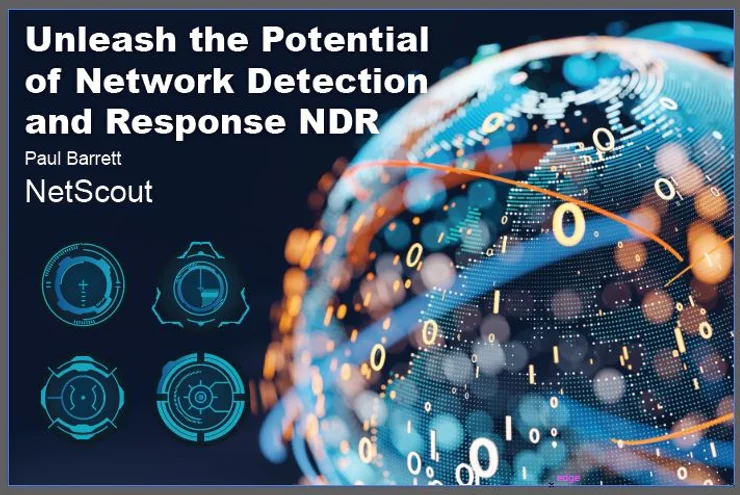
Unleash the Full Potential of Network Detection and Response NDR
Technical

Unleash the Full Potential of Network Detection and Response NDR

Consider the anatomy of a cyberattack. Look at gaps in security tools and cost of breach. Unleash the Full Potential of Network Detection and Response with NDR capabilities.

Read Article
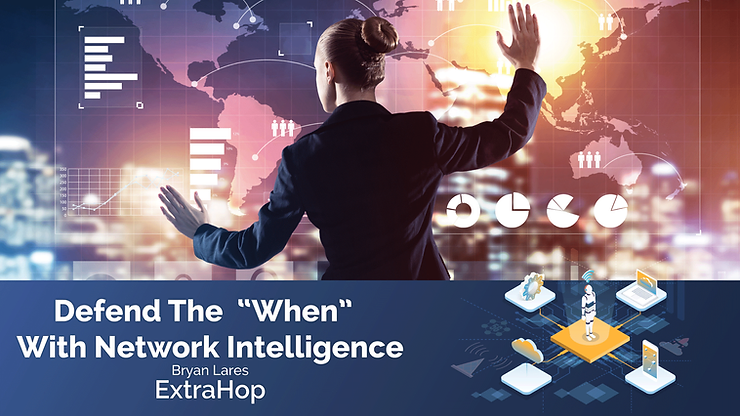
Defend the “when” with Network Intelligence
Technical

Defend the “when” with Network Intelligence

Defend the "When" with Network Intelligence. Perhaps the oldest clich'e in cybersecurity is "it's not if, but when." ExtraHop explores closing the breach intelligence gap.

Read Article
Five Ways Attackers Leave Ransomware Vulnerable to Detection
Technical

Five Ways Attackers Leave Ransomware Vulnerable to Detection

Ransomware has evolved and time may not be on your side. Once inside, attackers leave ransomware vulnerable to detection in five key ways. Learn how defenders can exploit these gaps.

Read Article
Wireshark Guide

Mastering Wireshark for Enhanced Cybersecurity

In the digital age, cybersecurity is not just a necessity but a critical component of any organization's IT infrastructure. With the increasing incidence of cyber threats, the need for advanced tools to monitor, analyze, and thwart potential attacks is more pressing than ever. One such tool that stands out is Wireshark, a renowned network protocol analyzer that offers deep insights into network traffic.

Understanding Wireshark

Wireshark is an open-source tool that captures and analyzes packets of data on a network. It provides a microscopic view of network activities, presenting the data in a comprehensible format for network administrators and cybersecurity experts. By dissecting the data packets, Wireshark reveals invaluable information about the network's operational aspects, potential vulnerabilities, and ongoing threats.

Real-Time Data Packet Analysis

Wireshark's ability to capture and analyze data packets in real-time is instrumental in identifying and responding to threats promptly. By monitoring network traffic, cybersecurity professionals can detect anomalies that may signify a breach or an impending attack, enabling them to take immediate action to mitigate potential risks.

Network Troubleshooting and Optimization

Beyond its utility in cybersecurity, Wireshark is an excellent tool for network troubleshooting. It assists in pinpointing network problems, from minor issues affecting performance to significant disruptions. By analyzing traffic flow and packet details, Wireshark provides insights that aid in optimizing network performance and reliability.

Getting Started

Installing Wireshark is straightforward, with versions available for various operating systems. Once installed, users can select the network interface to monitor. Wireshark displays the traffic in real-time, allowing analysis of individual packets, protocol inspection, and scrutiny of various layers of network communication. Powerful filtering capabilities — both capture and display filters — enable efficient analysis of specific traffic types.

↑ Back to Tech Guides
Wireshark Guide

Mastering Wireshark: Your Gateway to Network Mastery

In today's interconnected world, navigating and understanding network traffic is not just a skill — it's a game-changer. Wireshark empowers IT professionals, cybersecurity experts, and business leaders to peek into digital conversations flowing through their networks in real time, deciphering each packet's story and fortifying defenses against cyber threats.

Customizing Your Experience

Wireshark allows you to customize your experience with profiles tailored to your needs. Whether you're a seasoned analyst or a newcomer, creating and managing profiles ensures you have the right tools and settings at your fingertips. This customization enhances efficiency and makes navigating through complex data intuitive and insightful.

Visual Tools and Customizations

Wireshark transforms raw data into actionable insights. Visual tools like packet diagrams and customizable layouts make it easy to visualize network traffic patterns and anomalies. Adjusting text sizes, rearranging panels, and adding custom columns further enhance clarity.

Advanced Techniques

Beyond basic analysis, Wireshark offers advanced features that push the boundaries of network intelligence. Automate repetitive tasks with scripting, develop custom dissectors to decode proprietary protocols, or create complex capture filters to focus on specific traffic patterns.

↑ Back to Tech Guides
Wireshark Guide

Gateway to Mastering Network Traffic Analysis

Comprehending network traffic is essential for protecting sensitive data and optimizing network efficiency. Wireshark relies on specialized packet drivers tailored for different operating systems — libpcap on macOS and NPcap on Windows — providing a robust platform to capture and analyze network traffic.

Navigating Network Interfaces

Upon launching Wireshark, users encounter network interfaces — Ethernet, Wi-Fi, virtual adapters, VPN tunnels, and more. Each interface serves as a gateway to distinct segments of network activity. Effective interface management enables users to focus analysis on specific areas while filtering out irrelevant traffic.

Precision Capture with Snap Length

Wireshark's snap length functionality allows users to specify how much of each packet's payload to capture — essential for environments prioritizing storage efficiency and data minimization. By defining snap lengths, users capture critical packet headers (Ethernet, IP, TCP) while omitting unnecessary payload data, optimizing storage and streamlining analysis workflows.

↑ Back to Tech Guides
Wireshark Guide

Mastering Wireshark's Command Line Tools

In cybersecurity and network diagnostics, efficiency and precision are everything. Wireshark's command line tools — dumpcap and tshark — offer a direct, lightweight alternative to the graphical interface, ideal for swift data capture and real-time analysis.

Why Command Line?

  • Efficiency — Streamlined for high-volume data capture without GUI overhead
  • Precision — Fine-tune captures with specific parameters tailored to your environment
  • Automation — Integrate seamlessly into scripts and workflows for automated monitoring

Getting Started

On Windows, add Wireshark's directory to your PATH. On macOS, modify your PATH to include /Applications/Wireshark.app/Contents/MacOS. Use dumpcap -D to list available interfaces, -i to specify the capture interface, -w to save captures, and -b for ring buffers for continuous, efficient data storage.

↑ Back to Tech Guides
Wireshark Guide

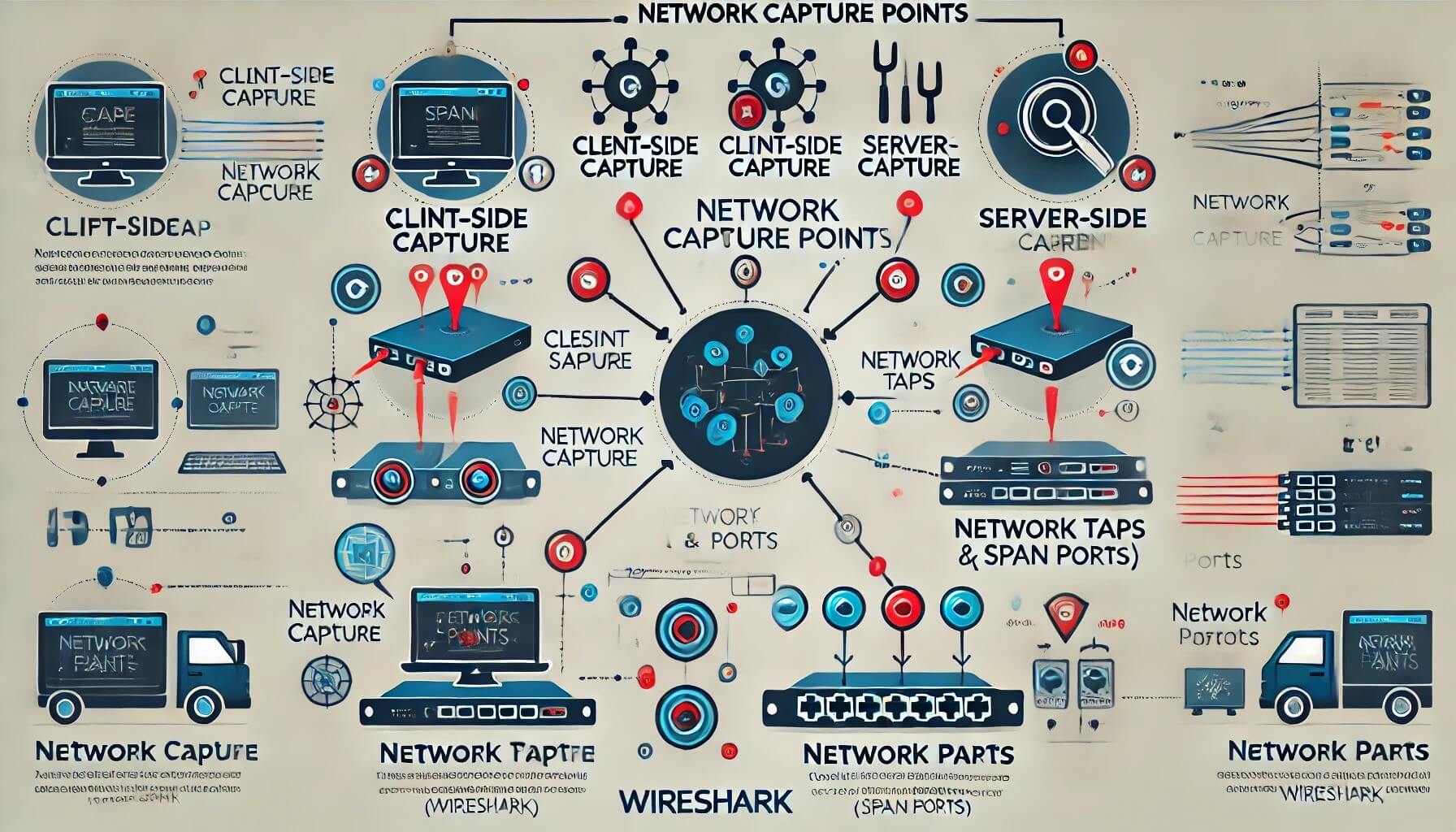
Mastering Wireshark's Capture Points

Understanding the optimal capture points can significantly elevate your ability to diagnose and resolve network problems. Before capturing packets, it's crucial to define the problem clearly — the nature of your situation will dictate where you should deploy Wireshark.

Client-Side Capture

When troubleshooting involves client-side issues, capturing from the client device or at the access point provides invaluable insights into traffic dynamics that directly impact user experience. This approach helps diagnose connectivity problems and provides visibility into how network conditions impact application performance.

Network Taps vs. SPAN Ports

Network Taps remain the gold standard for thorough packet capture. These physical devices passively intercept and duplicate network traffic without disrupting flow. By inserting a tap in line, you capture every packet without introducing latency or affecting performance.

SPAN Ports (Switched Port Analyzer) are configured on managed switches to mirror traffic from one or more ports to a monitoring port. While more accessible in many environments, SPAN ports may drop packets under heavy load and introduce timing variations.

↑ Back to Tech Guides
Wireshark Guide

Advanced File Extraction from PCAPs

The ability to extract files from packet captures (PCAPs) can be a game-changer for in-depth cybersecurity investigations and Capture the Flag (CTF) challenges. This guide explores how to harness Wireshark's features to extract and reassemble files from PCAPs, enhancing forensic capabilities.

TCP Stream Reassembly

To extract files effectively, Wireshark must be configured to reassemble TCP streams. By enabling TCP stream reassembly, Wireshark treats the TCP stream as a continuous data flow, allowing you to see the complete picture rather than disjointed fragments.

Extracting Objects

Navigate to File → Export Objects → HTTP to see reassembled HTTP objects. Wireshark presents a list of objects extracted from the capture, which can be saved directly. For non-HTTP traffic, follow the TCP stream to view consolidated raw data.

Safety Considerations

When dealing with executable files or binaries, always use a secure, isolated environment such as a virtual machine. Encrypted traffic requires the proper decryption keys — Wireshark cannot decrypt HTTPS traffic without them.

↑ Back to Tech Guides
Wireshark Guide

Name Resolution in Wireshark

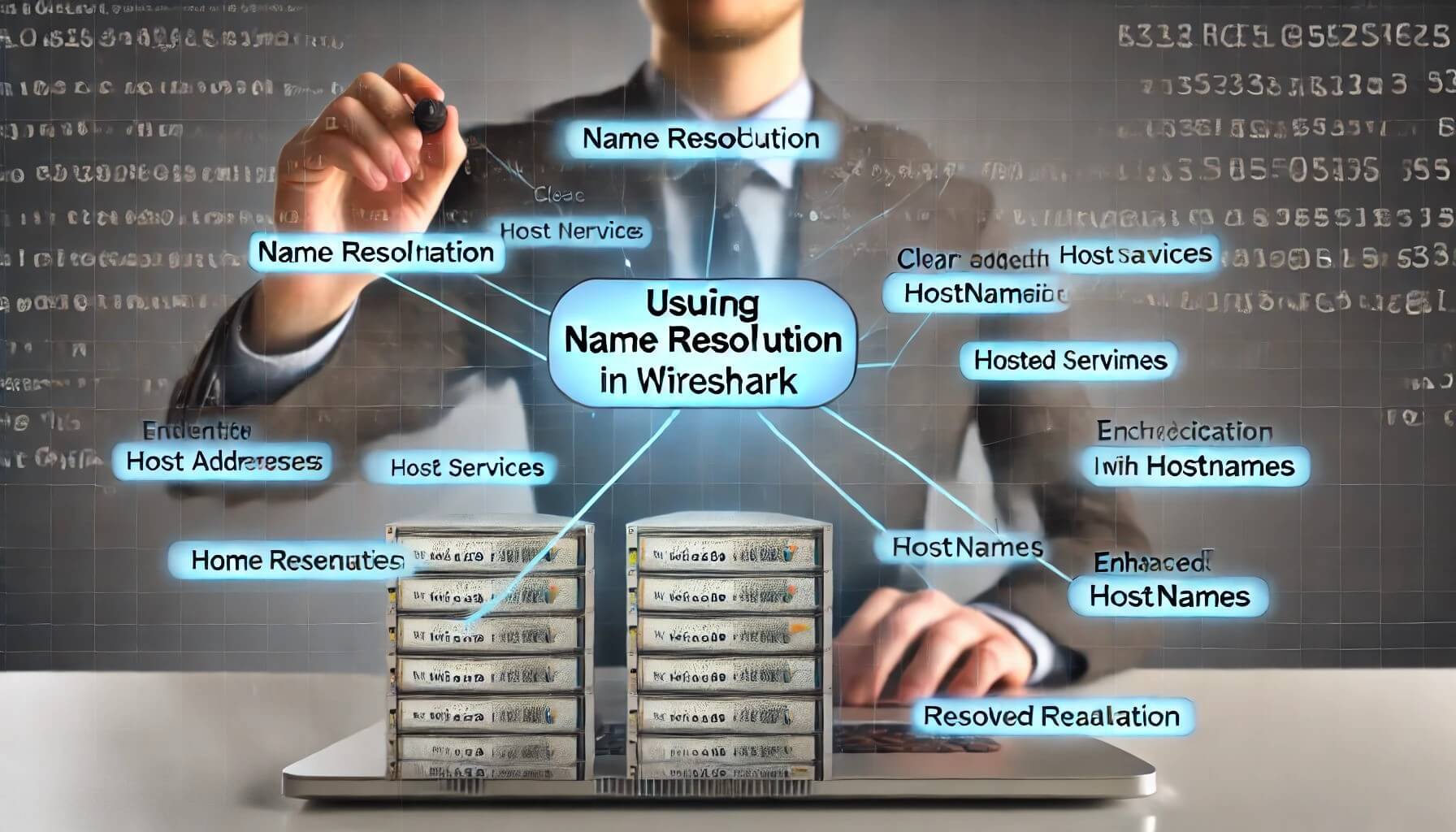
When you delve into a Wireshark packet capture, you're greeted with IP addresses, port numbers, and other technical details. Wireshark's name resolution translates these into human-readable formats — replacing IP addresses, MAC addresses, and port numbers with hostnames and service names.

Configuration Steps

  • MAC Address Resolution — Resolves MAC addresses to organizationally unique identifiers (OUIs)
  • Transport Names — Maps port numbers to well-known service names (HTTP/80, HTTPS/443)
  • IP Resolution — Uses DNS packets within the capture file or external DNS servers to resolve IPs to domain names
  • Manual Resolution — Right-click an IP address to manually assign names when DNS fails
↑ Back to Tech Guides
Wireshark Guide

Analyzing Response Times with the Time Column

The time column in Wireshark acts as a meticulous timekeeper, tracking elapsed moments since the commencement of a packet capture session. Understanding its nuances unlocks the ability to reconstruct timelines, pinpoint anomalies, and discern patterns that would otherwise evade detection.

Time Display Formats

Wireshark offers a spectrum of choices — local time, UTC, or seconds since capture inception. Mastery of these settings transforms timestamps into actionable insights, bridging the gap between network traffic and real-world events.

Time References and Multi-threaded Conversations

Within Wireshark, a single click designates a packet as a benchmark against which subsequent intervals are measured. For concurrent TCP conversations, the “Time Since Previous Frame” column delineates intervals between packets within the same conversation, giving clarity on latency issues and performance bottlenecks.

↑ Back to Tech Guides
Wireshark Guide

A Guide to Effective Filtering

Few tools in cybersecurity match Wireshark's prowess for network traffic analysis. If you've ever felt overwhelmed by the sheer volume of data flowing through your network, effective filtering is your gateway to harnessing Wireshark's power.

Capture Filters

Capture filters serve as the gatekeeper, allowing you to record specific types of traffic selectively before packets are saved. Whether focusing on DNS requests or TCP communications between designated devices, capture filters streamline analysis and conserve storage. Start broad and refine based on insights gathered.

Display Filters

Post-capture display filters empower you to sift through captured packets and pinpoint those of interest. These filters are invaluable for in-depth analysis — examining ARP packets for troubleshooting or focusing on DNS traffic to understand query patterns.

Advanced Techniques

  • Advanced Filters — Combine multiple criteria using logical operators (IP addresses + ports) to target specific conversations
  • Right-Click Filtering — Swift creation of filters based on packet attributes, minimizing syntax errors
  • Exclusion Filters — Use the ! operator to exclude specific traffic types from view
↑ Back to Tech Guides
Wireshark Guide

Wireshark Security Forensics

In today's rapidly evolving digital landscape, the demand for cybersecurity professionals with specialized skills is at an all-time high. As cyber threats grow more sophisticated, the necessity for advanced forensic analysis tools like Wireshark has never been more critical.

Why Wireshark for Forensics?

Wireshark empowers users to capture and analyze network traffic in real-time, offering invaluable insights into network performance, security incidents, and troubleshooting. Whether pinpointing the root cause of a network issue or detecting the early signs of a cyberattack, Wireshark's capabilities are unmatched.

The Importance of Certification

  • Validation of Skills — Formal recognition of ability to apply theoretical knowledge in practical scenarios
  • Enhanced Credibility — Demonstrated competence meeting established industry standards
  • Career Advancement — Prerequisites for advanced roles, opening doors to new opportunities
  • Continuous Learning — Staying updated with the latest tools, techniques, and best practices
↑ Back to Tech Guides
Wireshark Guide

Mapping IP Addresses with Wireshark's GeoIP Feature

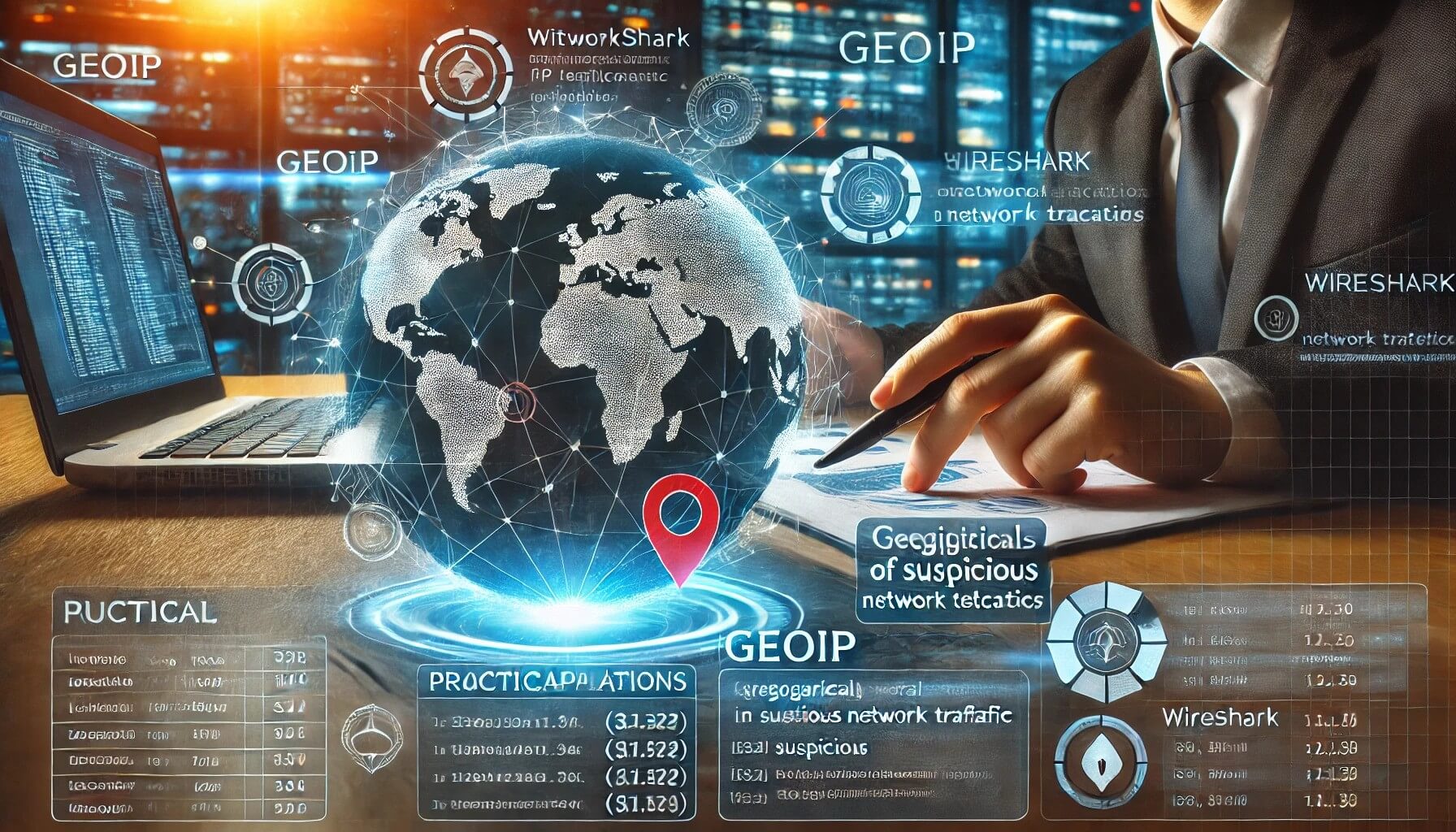
In today's cybersecurity landscape, the ability to trace the origins of network traffic isn't just advantageous — it's indispensable. Wireshark's GeoIP feature translates raw IP addresses into physical locations on a global map, transforming how analysts investigate and respond to threats.

Practical Applications

  • Enhanced Threat Detection — Visualize geographic sources of suspicious activities for rapid identification and targeted mitigation
  • Network Forensics — Reconstruct sequences of events by plotting IP addresses involved in security incidents
  • Global Traffic Analysis — Monitor worldwide traffic patterns to detect anomalies or trends indicative of emerging threats

Best Practices

Regularly update GeoIP databases from reputable sources like MaxMind to ensure precise location information. Adhere to privacy regulations and ethical guidelines when handling location-based data. Maintain compliance with organizational policies and legal requirements.

↑ Back to Tech Guides
Wireshark Guide

Reading PCAPs with Wireshark Statistics

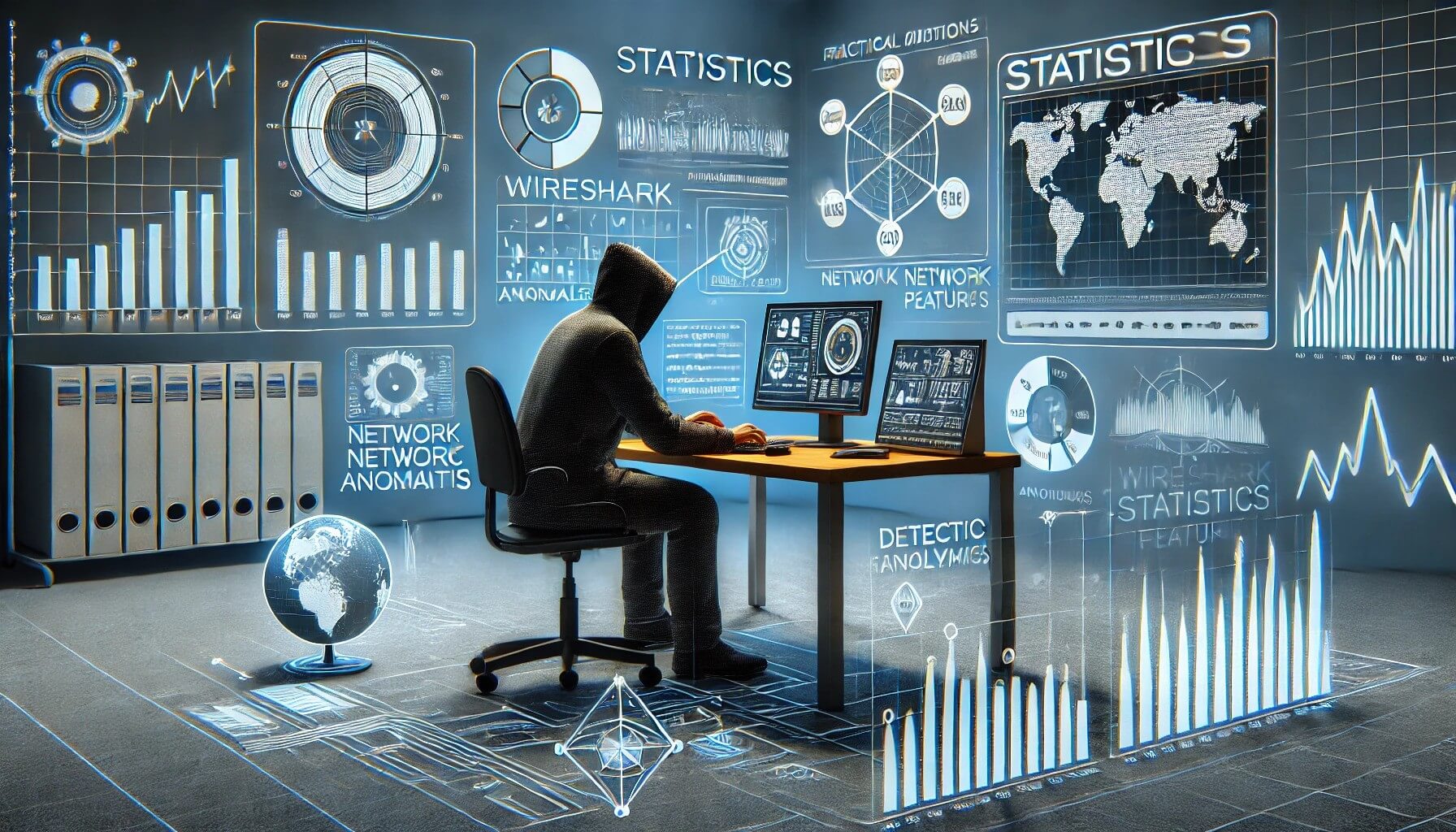
In network analysis and cybersecurity, interpreting packet captures can feel like navigating through a dense data jungle. Wireshark's statistics feature provides a zoomed-out, bird's-eye view of the entire network ecosystem captured in a trace file.

Understanding Conversations

Wireshark categorizes network traffic into conversations based on addressing layers — Ethernet, IPv4, IPv6, TCP, UDP, and more. Each conversation encapsulates bilateral data exchanges between endpoints. By sorting and filtering conversations, analysts can pinpoint critical exchanges, identify dominant communication channels, and detect irregular patterns.

Detecting Anomalies

Statistics serve as a potent detective tool for uncovering anomalies such as port scanning activities. Observing a sequence of low-numbered port accesses in non-sequential order can signify attempts to probe for vulnerable services — a critical indicator of potential security breaches.

Time and Duration Visualization

Wireshark provides graphical representation through relative start and duration columns, offering a visual timeline of when conversations commenced and how long they persisted. This temporal insight is pivotal for correlating network events with communication patterns.

↑ Back to Tech Guides
Protocol Guide

Understanding TCP-QUIC Protocol

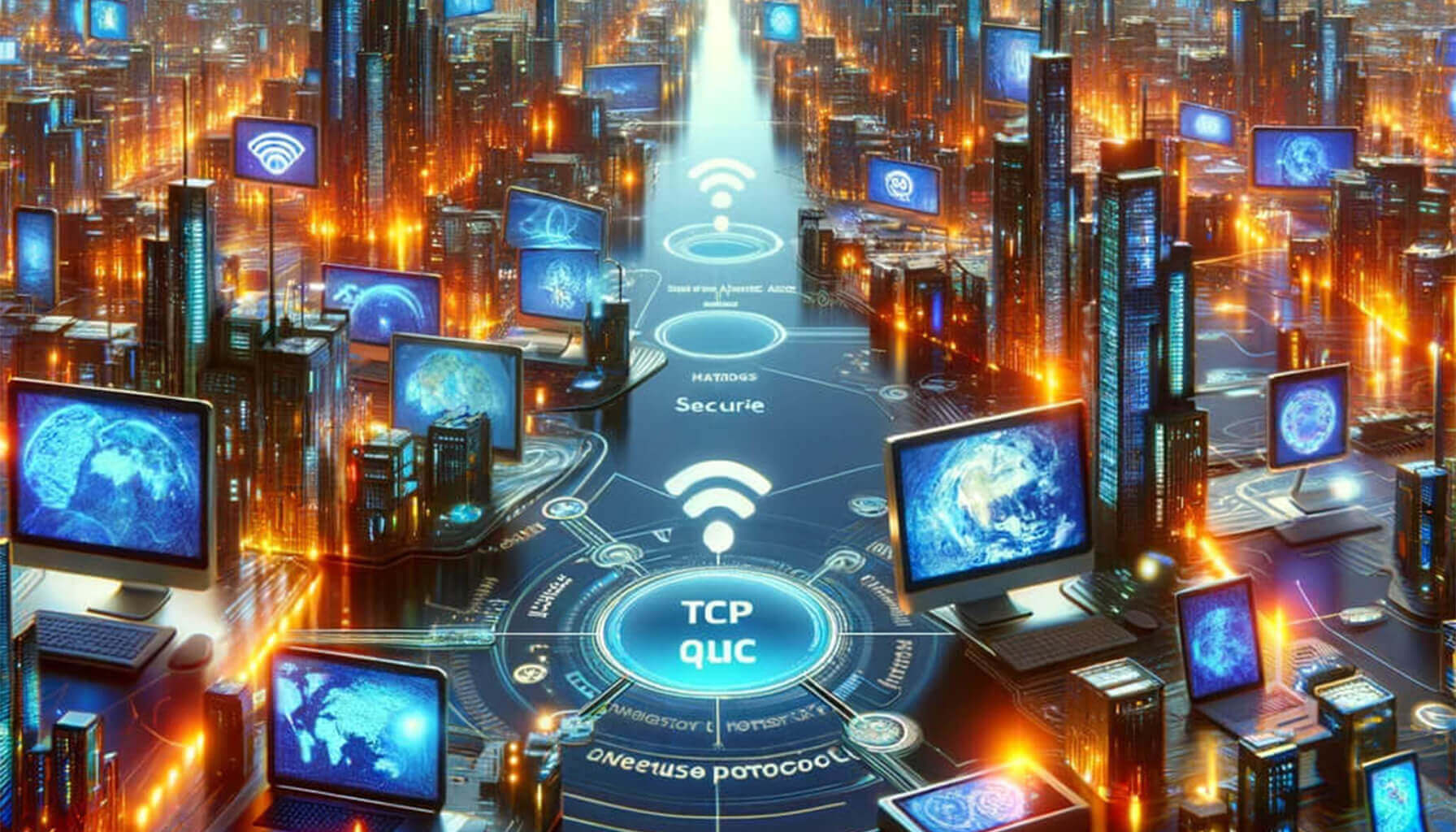
In the ever-evolving landscape of internet protocols, TCP-QUIC stands as a significant milestone. Designed to enhance the speed and security of online communications, it combines the reliability of TCP with the performance of QUIC. TCP was developed over 50 years ago; QUIC started as a Google experiment in 2013 and became a standard in 2020.

The Evolution from TCP to QUIC

TCP is one of the main protocols of the Internet Protocol Suite, ensuring reliable, ordered, and error-checked delivery of data between applications. Despite its widespread use, TCP has limitations in terms of latency and speed, particularly in lossy or congested networks. QUIC was developed to overcome these limitations, operating over UDP and incorporating multiplexed connections, improved congestion control, and faster encryption. If QUIC cannot establish a connection, it falls back to TCP.

Key Features

  • Reduced Connection Time — Combines TCP's three-way handshake with QUIC's simultaneous cryptographic negotiation, drastically reducing latency
  • Improved Security — Incorporates standard TLS over connections, more resistant to eavesdropping and tampering
  • Enhanced Performance — QUIC's efficient congestion control algorithms adapt to changing network conditions
  • Stream Multiplexing — Multiple streams within a single connection without head-of-line blocking

QUIC typically uses UDP port 443. As of this writing, QUIC accounts for approximately 50% of internet traffic, reflecting its rapid adoption across major platforms and services.

↑ Back to Tech Guides

Austin Cyber Show

Sessions, speakers, and technical presentations from the inaugural Austin Cyber Show at Concordia University Texas, May 10-11, 2022. CISO perspectives, threat intelligence, and hands-on cybersecurity analysis.

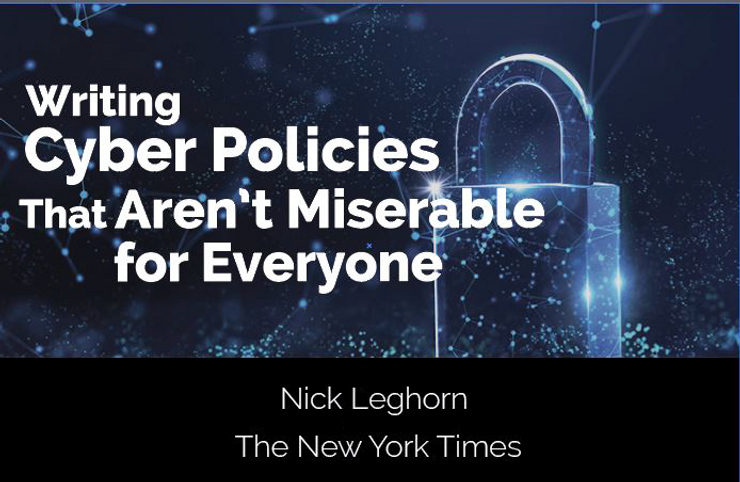
Writing Cyber Policies that Aren't Miserable for Everyone
Austin Cyber Show

Writing Cyber Policies that Aren't Miserable for Everyone

Nick Leghorn, Director of Application Security, The New York Times. Session: Writing Policies That Aren't Miserable for Everyone. A new approach to policy documentation that reduces pain.

Read Article
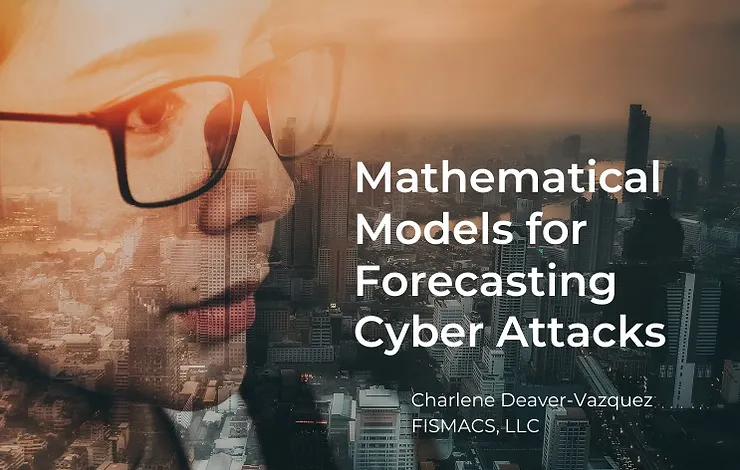
New Mathematical Models for Forecasting Cyber Attacks
Austin Cyber Show

New Mathematical Models for Forecasting Cyber Attacks

Session by Charlene Deaver-Vazquez of FISMACS.com. New Mathematical Models for Forecasting Cyber Attacks. Probability theory gives us the ability to quantify risk and forecast events.

Read Article
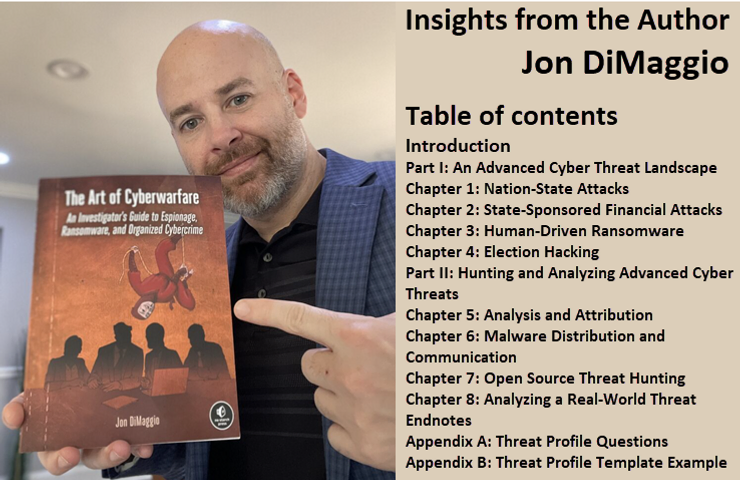
The Art of Cyberwarfare Insights from the Author Jon DiMaggio
Austin Cyber Show

The Art of Cyberwarfare Insights from the Author Jon DiMaggio

Austin Cyber Show Session: The Art of Cyberwarfare. Jon DiMaggio shares insights on understanding and analyzing cyber attacks by advanced attackers, such as nation states.

Read Article
Cliff Notes from a CISO Author's Perspective
Austin Cyber Show

Cliff Notes from a CISO Author's Perspective

Austin Cyber Show Session by Gary Hayslip, Author, CISO Executive Primer. Cliff notes from a CISO Author's Perspective. Join us as Gary shares insights from his experience as a CISO.

Read Article
Managing Tactical US Military Networks: HOPE is Not a Plan
Austin Cyber Show

Managing Tactical US Military Networks: HOPE is Not a Plan

Colonel (COL) David Wills, U.S. Army (ret. 2021), Deputy Director for C4 Systems, U.S. Strategic Command. Keynote on managing tactical military networks and communications.

Read Article
Cyber Book - New Releases: Authors Featured at Austin Cyber Show
Austin Cyber Show

Cyber Book - New Releases: Authors Featured at Austin Cyber Show

The Austin Cyber Show is excited to showcase authors who bring their expertise to the Cybersecurity industry through their publications. Join this free Cybersecurity conference via

Read Article
Mother's Day Lost Wallet Challenge
Austin Cyber Show

Mother's Day Lost Wallet Challenge

As your lovely mother walks out the door on this mother’s day, she backs out of the driveway to leave, only for you to find her wallet has fallen out of her purse and into the stre

Read Article
Day / Week / Month in the Life of a CISO: Sameer Sait & Mustapha Kebbeh
Austin Cyber Show

Day / Week / Month in the Life of a CISO: Sameer Sait & Mustapha Kebbeh

CISO: Day in the Life of CISO's Sameer Sait & Mustapha Kebbeh In this session, two seasoned CISO's will talk about their experiences in leading and managing information security or

Read Article
Data Verses Measurement: Metrics are Not Enough
Austin Cyber Show

Data Verses Measurement: Metrics are Not Enough

Data versus Measurement: Why Your Current Metrics Aren’t Enough It’s time to get away from just tracking click rates and completion times, and focus on building a comprehensive pro

Read Article
The Big Disruption in Cybersecurity
Austin Cyber Show

The Big Disruption in Cybersecurity

The Big Disruption in Cybersecurity Security awareness & training programs and content has improved dramatically in recent years, yet security and risk leaders still cannot quantif

Read Article
30+ AustinCyber.Show Speakers and Sessions in Under 60 Seconds
Austin Cyber Show

30+ AustinCyber.Show Speakers and Sessions in Under 60 Seconds

See it all in 55 seconds. Then pick the sessions of interest for the list of blogs below. In random order: Or http://austincyber.show/blog/ to choose them by picture.

Read Article
Social Engineering Cyber Attacks
Austin Cyber Show

Social Engineering Cyber Attacks

Social Engineering Attacks: Why do we fall for them and what we can do about it. Ian Wilkinson Would you believe that 98% of all cybercrime or cyber-attacks within the past year ha

Read Article
Networked Medical Device Connectivity Security
Austin Cyber Show

Networked Medical Device Connectivity Security

Networked medical device connectivity. What does this mean and why does it matter? Life sustaining devices such as patient monitors, infusion pump systems, ventilators, and a host

Read Article
Assigning Cost to Security Risk
Austin Cyber Show

Assigning Cost to Security Risk

Assigning Cost to Security Risk. The importance of communicating cyber risk in financial terms to the board is growing day by day. Many have long considered this necessary given th

Read Article
Reclaiming Your Identity
Austin Cyber Show

Reclaiming Your Identity

Reclaiming Your Identity Learn how to claim your identity before criminals do, or reclaim your identity after criminals have used your stolen "personally identifiable information"

Read Article
Navigating Global Public Web Server Privacy Laws
Austin Cyber Show

Navigating Global Public Web Server Privacy Laws

Protecting customer's data privacy has become a new source of stress for any company with a web presence. Compounding that, international trade requires compliance with internation

Read Article
Constantly Changing Cybercrime
Austin Cyber Show

Constantly Changing Cybercrime

The nature of cybercrime is constantly changing and becoming more difficult to defend. This session will evaluate some of these changes in the nature of the internet and the new at

Read Article
Mystery Solved: Deep Packet Security Analysis
Austin Cyber Show

Mystery Solved: Deep Packet Security Analysis

Mystery Solved: Deep Packet Security Analysis TLS version and cipher suite are the two most critical parameters negotiated during the TLS Handshake. Agreeing on a less secure optio

Read Article
Cyber Incident Response Case Study
Austin Cyber Show

Cyber Incident Response Case Study

In this session Brian Clinkenbeard, one of the prolific and beloved security gurus of the industry, will look at exposing failures in incident response through case study. Brian is

Read Article
Cybersecurity over the horizon: the future of cybersecurity
Austin Cyber Show

Cybersecurity over the horizon: the future of cybersecurity

We welcome attendees to examine in an interactive session the latest cybersecurity trends and their implications for organizations facing new and emerging cyber risks and threats.

Read Article
Remaining Ransom Aware: What to Do When One Gets Past the Goalie
Austin Cyber Show

Remaining Ransom Aware: What to Do When One Gets Past the Goalie

Remaining Ransom Aware Ransomware, among the most intimidating threats on today’s security horizon, is an issue best approached from a “not if but when” perspective. It’s no longer

Read Article
What Drives Security Convergence?
Austin Cyber Show

What Drives Security Convergence?

This session will report on some observations about how the degree of convergence of physical and cyber security is evolving in larger organizations from a number of industries as

Read Article
Building a Modern SOC Requires Attack Surface Validation
Austin Cyber Show

Building a Modern SOC Requires Attack Surface Validation

Sam Harris, Stratascale Building a Modern SOC Requires Continuous Attack Surface Validation: The Modern SOC requires continuous validation of the attack surface to understand what

Read Article
Building a Security Team that Never Says No
Austin Cyber Show

Building a Security Team that Never Says No

Building a Security Team that Never Says “No” One of the most prevalent perceptions of any security team is that they just always say “no,” that they will be a blocker to progress

Read Article
Security Leaders Use Ranges & Simulation to Improve Their Security Posture
Austin Cyber Show

Security Leaders Use Ranges & Simulation to Improve Their Security Posture

Would you board a plane if you knew the pilot got all As in flight school? Probably yes, but what if you learned that the pilot got all "A"s , but this was their first time actuall

Read Article
IETF's New "TCP" QUIC Certificate
Austin Cyber Show

IETF's New "TCP" QUIC Certificate

Near 50 years ago Internet Protocol Pioneers imagined a network that would interconnect people around the world. Little by little the Internet Engineering Task Force IETF though wo

Read Article
Exfiltration Prevention Certificate
Austin Cyber Show

Exfiltration Prevention Certificate

The fundamentals of Exfiltration prevention start with Data Loss Prevention DLP. Below is a diagram of various DLP methods designed to prevent data from leaving an organization by

Read Article
Breach Defense Certificate
Austin Cyber Show

Breach Defense Certificate

Breach Defense is one of five Certificates offered. Breaking down the anatomy of a massive breach starts with a diagram describing attacker steps taken to avoid detection. Several

Read Article
Double Espresso Morning Cyber Brief to Start the Day
Austin Cyber Show

Double Espresso Morning Cyber Brief to Start the Day

May 10-11 2022 Session by James Azar CyberHub Podcast Title: Double Espresso Morning Cyber Brief to Start the Day Join us as James gets AustinCyber.Show off to a Double Espresso st

Read Article

Need This Level
of Analysis?

Four decades of packet-level diagnostics, incident response, and forensic analysis. If your organization is facing a complex technical challenge, get in touch.

Work with Bill